Local Officials Offer Contrasting Views on Stillwater Data Center at State Study
County commissioner who cast sole 'no' vote raises water and transparency concerns while city touts jobs and Google donations at legislative hearing on industry impacts.
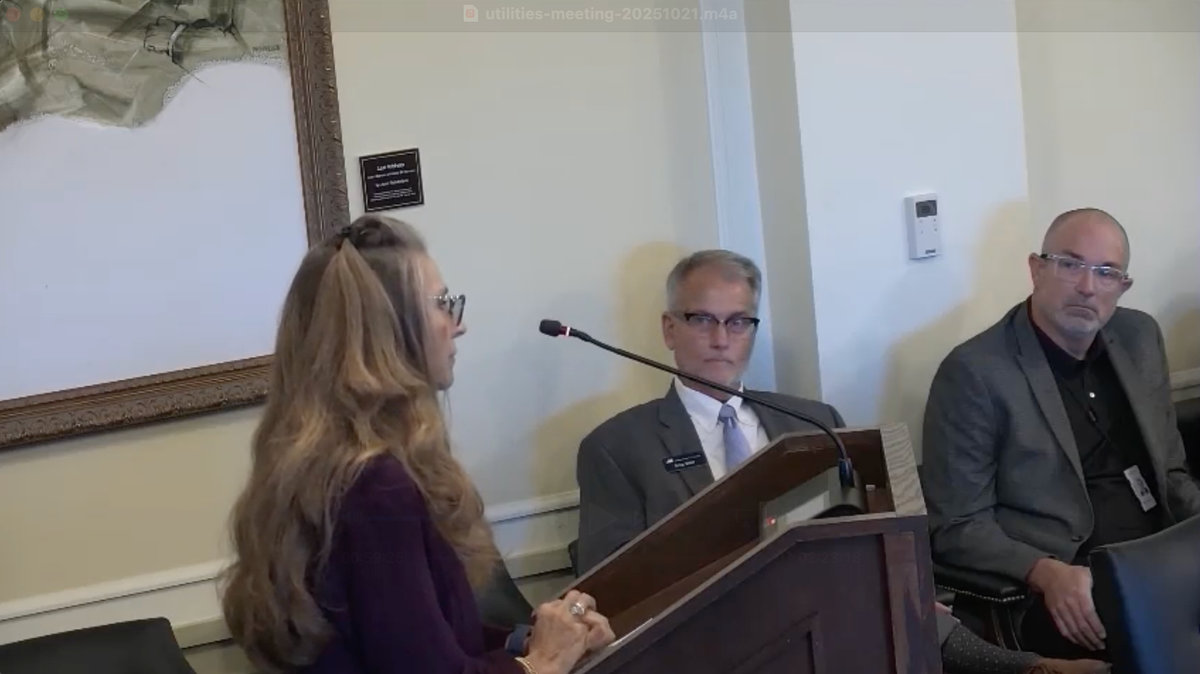
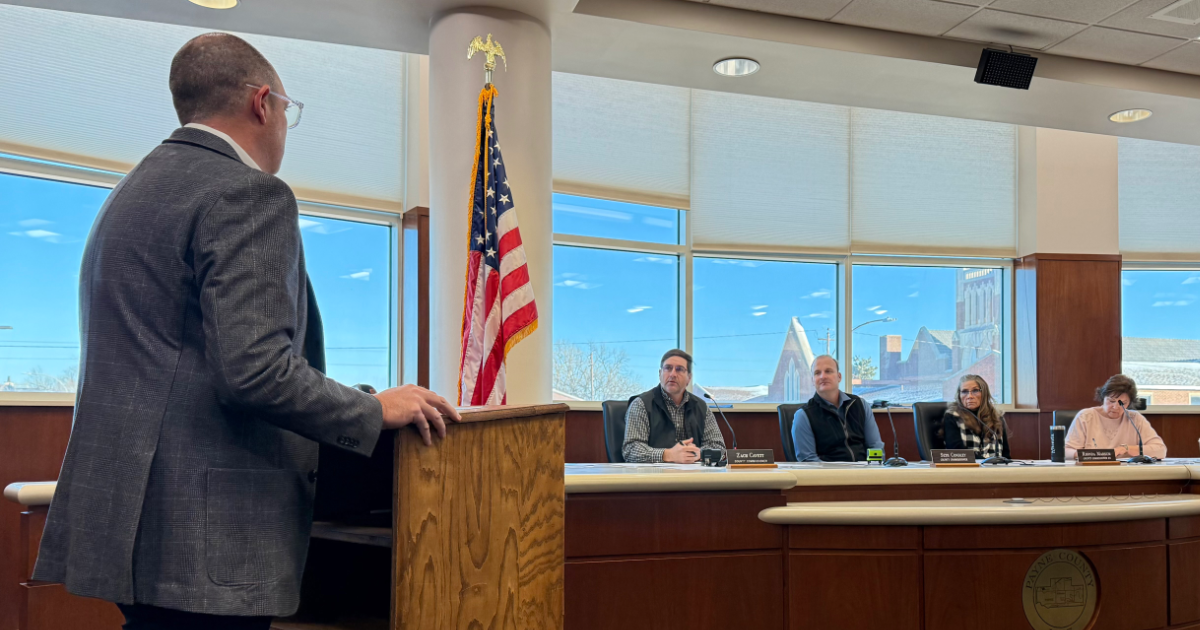
Payne County Commissioner Rhonda Markum testifies Tuesday at the Oklahoma House Utilities Committee study on data center impacts. Behind her are (center) Meridian Technology Center CEO Dr. Doug Major and Stillwater City Manager Brady Moore, who presented contrasting views on the Google project.
Payne County Commissioner Rhonda Markum testifies Tuesday at the Oklahoma House Utilities Committee study on data center impacts. Behind her are (center) Meridian Technology Center CEO Dr. Doug Major and Stillwater City Manager Brady Moore, who presented contrasting views on the Google project.
Payne County Commissioner Rhonda Markum raised concerns about environmental damage and lack of transparency while Stillwater city officials touted economic benefits Tuesday during an Oklahoma House Utilities Committee study examining how data center expansion affects Oklahoma's water resources and power grid.
Markum, who cast the sole dissenting vote against the 25-year tax incentive agreement among all taxing entities in January, told lawmakers construction problems have damaged residential property and constituents remain frustrated with high-voltage transmission lines crossing their land.
Stillwater City Manager Brady Moore and Meridian Technology Center CEO Dr. Doug Major presented a contrasting perspective, emphasizing workforce development and community investments from Google, which is building up to six data centers in Stillwater.
The three-hour study featured presentations from Virginia officials, state agencies and utility companies examining the rapidly growing data center industry's infrastructure demands.
Construction Damage Raises Concerns
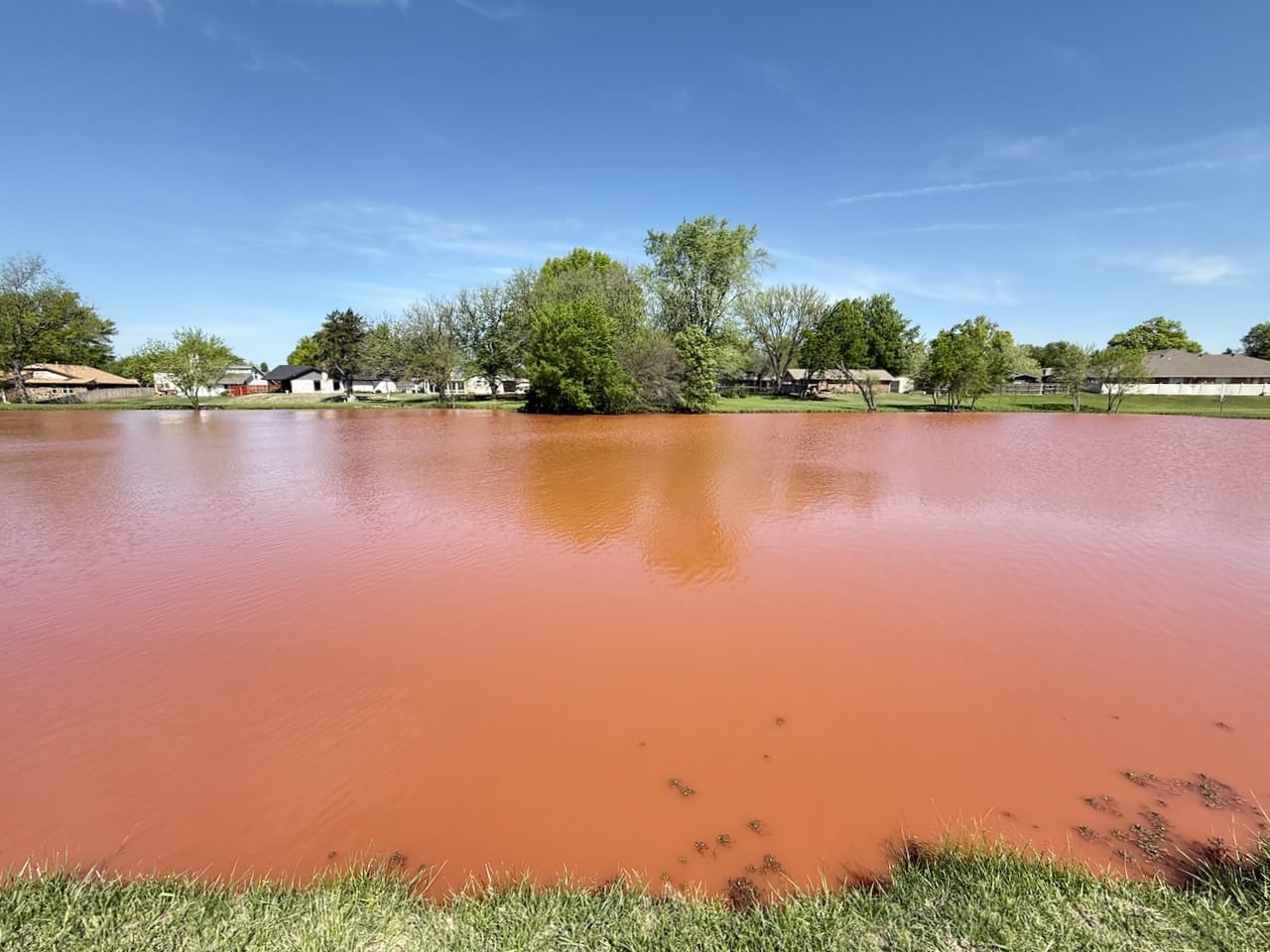
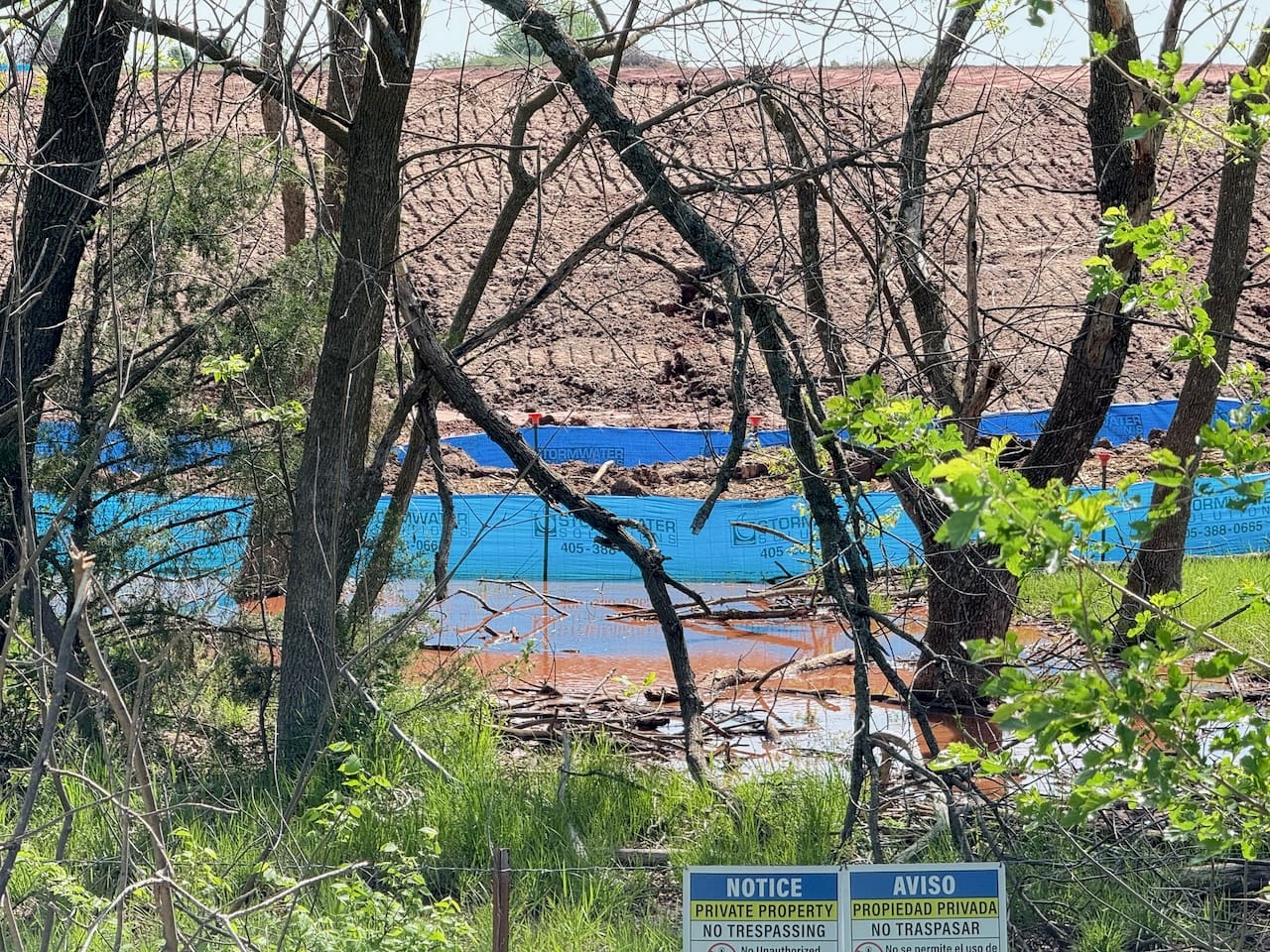
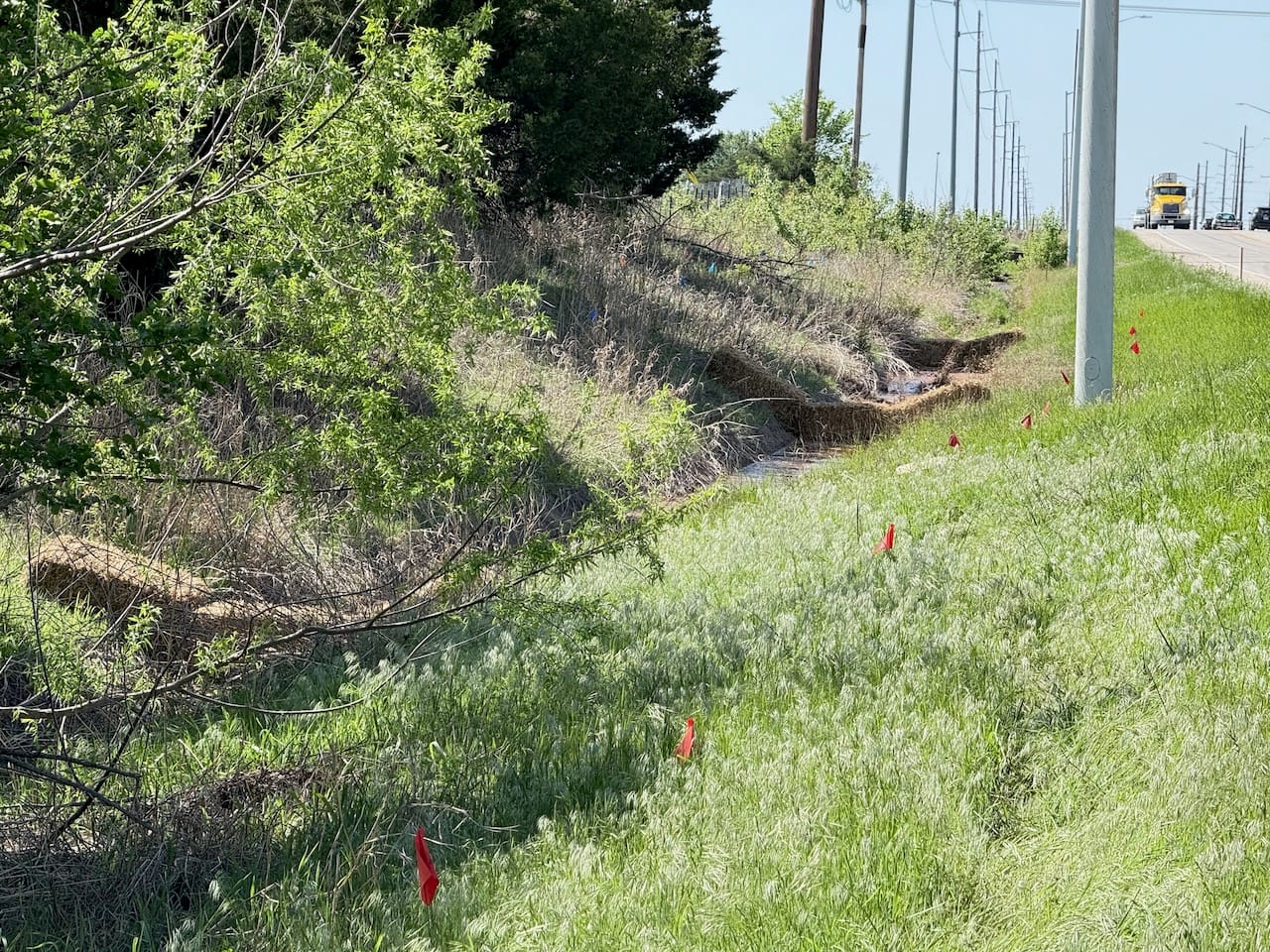
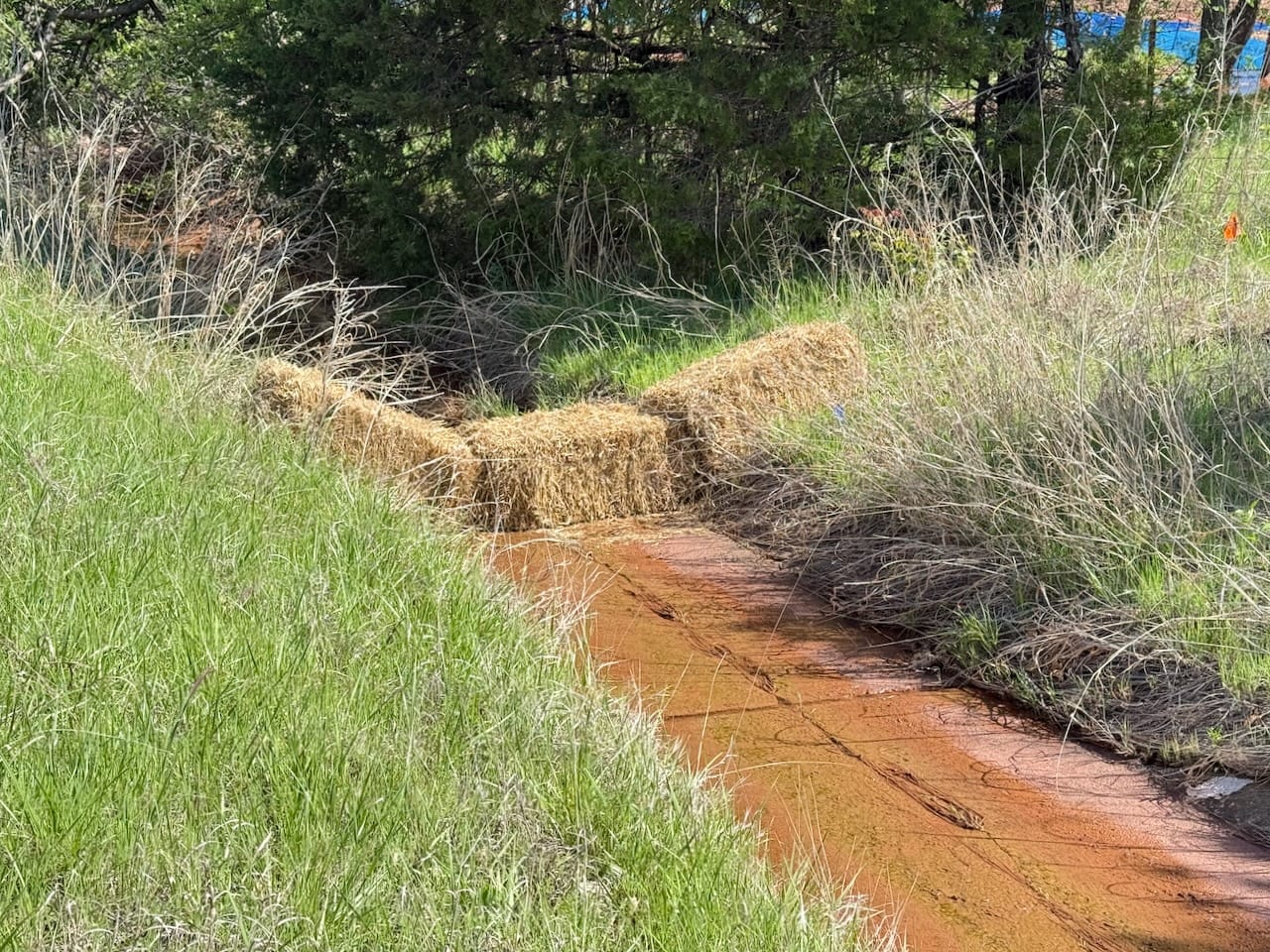
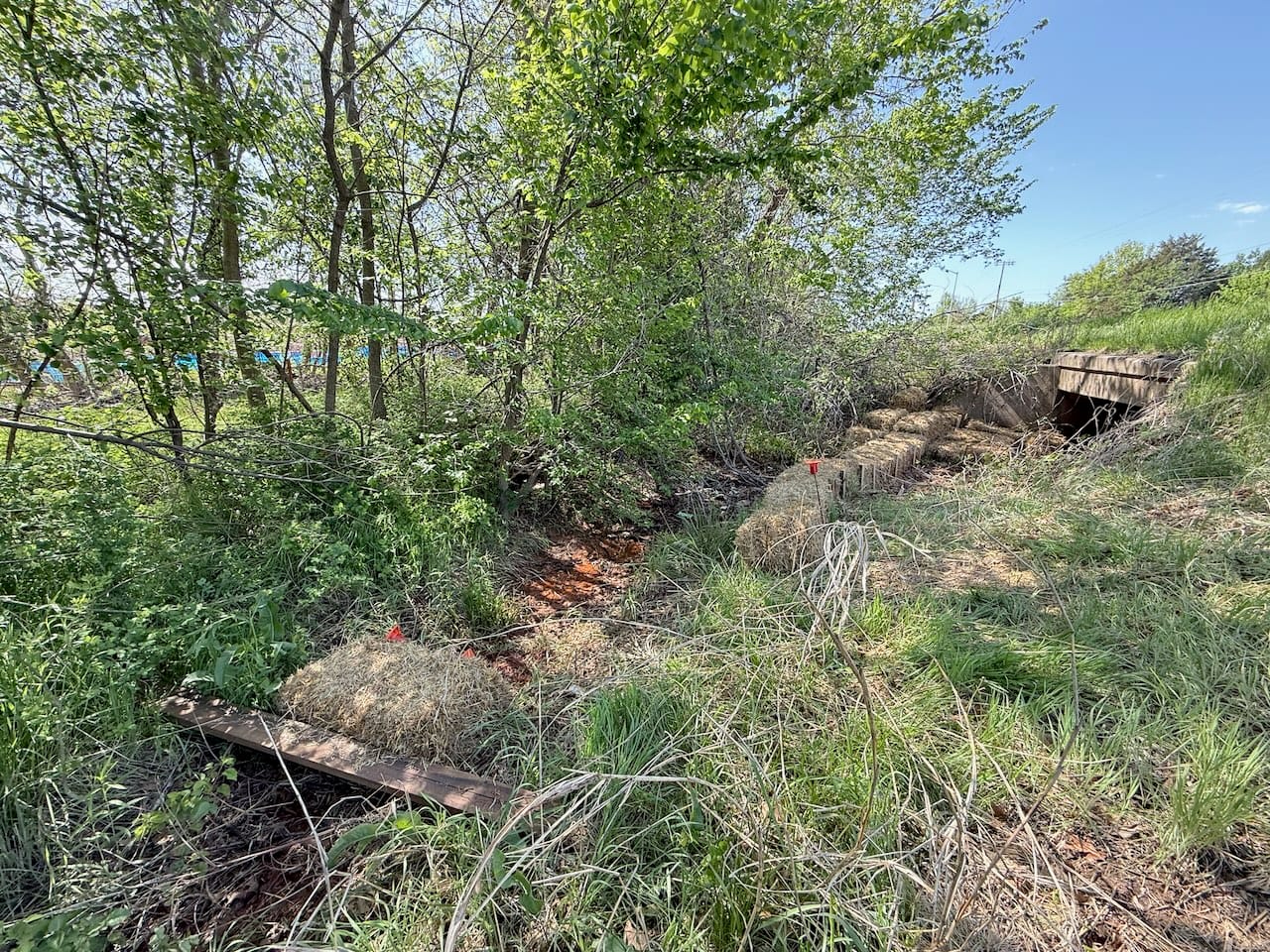
Markum said heavy rains in April caused runoff that damaged a residential pond, killing fish and aquatic life. She attributed the damage to inadequate silt fencing after contractors cleared topsoil and trees from the site.
"I'm really concerned about the water usages," Markum said. "Without water we can't live."
Red silt and dirt from Google's data center construction site contaminated the Park View Estates pond during spring storms, killing fish and aquatic life. The homeowners association sued the construction companies in August for negligence and failure to prevent runoff damage. – Photos taken April 22, 2025 by Chris Peters
The commissioner said the first two data center buildings would use approximately 2.7 million gallons of water daily, with potential water consumption reaching 8.1 million gallons per day if all six planned buildings are constructed. The water will come from Kaw Lake, where Stillwater holds 50 million gallons per day in water rights.
Markum expressed frustration with the 25-year tax incentive agreement, noting a similar Google project in Pryor received only a five-year tax deferment. She said constituents have raised concerns about high-voltage transmission lines crossing their properties to serve the data centers.
The commissioner disclosed county officials were required to sign non-disclosure agreements before learning project details, which she said conflicted with Oklahoma's open government statutes under Title 19.
"Our assistant DA at the time was very concerned because this goes against Title 19 of the state statutes for us because that's not open government," Markum said.
Markum said the county has not spoken directly with Google representatives about the issues.
City Emphasizes Transparency, Benefits
Moore presented a sharply different view, emphasizing transparency and economic impact. He said Stillwater voters approved a franchise agreement with Oklahoma Gas & Electric to serve the campus with 74 percent support.
"We had to be very transparent with our community through this whole project," Moore said, noting the city created a comprehensive website explaining the project's benefits and addressing concerns.
Moore said Stillwater holds 50 million gallons per day in water rights from Kaw Lake but currently uses only 7 million gallons daily on average. The city's northeast water zone, which will serve the data center, has 3.2 million gallons per day capacity available for new growth, he said.
Google's data center construction site at Perkins and Richmond roads in Stillwater. Payne County Commissioner Rhonda Markum told lawmakers Tuesday that contractors cleared topsoil and trees before heavy rains caused runoff damage to a nearby residential pond. A Stillwater water tower is visible in the background. Photo taken Aug. 5, 2025 by Chris Peters
Google must invest significant capital to expand Stillwater's water treatment plant capacity before constructing additional data centers beyond the first two buildings, Moore said. Those infrastructure improvements would benefit the entire community and potentially reduce future rate increases, he said.
Moore said Google donated $600,000 to Stillwater Public Schools last week for energy-saving projects and provided immediate financial assistance following March wildfires.
"There's so many benefits of having a global leading company like Google in our community and in our state," Moore said.
Workforce Training Benefits Local Employers
Dr. Major said Meridian Technology Center has trained more than 315 workers since July 7 through mandatory two-hour safety orientations required for anyone working at the construction site.
"Those are all representative local employers that are working on that site," Major said. "So it is having an impact on the local economy, on local employers, on small employers."
Manhattan Construction's Gate 2 at the Google data center site in Stillwater. Meridian Technology Center CEO Dr. Doug Major told lawmakers Oct. 21, 2025, that local employers are hiring to support the project, with one concrete company adding 40 employees for work expected to continue six to 10 years. Photo taken Aug. 5, 2025 by Chris Peters
Manhattan Construction is the primary contractor, working with local subcontractors, Major said. One local concrete employer requested customized training last week to hire 40 additional employees specifically to support work at the data center site, he said.
The work is expected to continue for six to 10 years through multiple construction phases, Major said, describing these as permanent rather than temporary jobs given the timeline.
Major said each of the six planned buildings will generate annual pilot payments — payments in lieu of taxes — to affected taxing jurisdictions. Stillwater Public Schools will receive approximately $750,000 per building annually, growing to more than $1 million per building per year with annual 1 percent increases, he said.
"The company didn't want to have their taxes forgiven," Major said. "They wanted to pay equitable taxes with other manufacturers in the state of Oklahoma."
DEQ Explains Permitting Process & Wastewater Treatment
Madison Miller, deputy executive director of Oklahoma Department of Environmental Quality, said the agency regulates environmental aspects of data center construction and operation through permitting for both water and air quality.
Water quality considerations involve acquiring water and managing used water, Miller said. Data centers can contract with municipalities for treated water, obtain raw untreated water rights from nearby water bodies, use reclaimed water from municipalities, or employ closed-loop systems to recycle water, she said.
Used water can be piped back to municipal treatment facilities, discharged to waters of the state with proper permits, or kept on-site in lagoons or cooling towers for recirculation, Miller said.
City of Stillwater officials have shared that wastewater from the first two Google data centers will be treated using the existing wastewater treatment plant.
A message from Visit Stillwater
Celebrate autumn in America’s Friendliest College Town with one-of-a-kind events, attractions, and traditions.
Miller addressed confusion about wastewater treatment quality in response to questions from Rep. Amanda Clinton, R-Tulsa.
"The water that's been used through the process is wastewater and it's treated like wastewater," Miller said. "Before it can be considered drinking water again, it has to go through a treatment process."
DEQ requires various permits depending on the scenario, Miller said. Construction stormwater permits take 30 days to issue, while discharge permits setting limits for common pollutants in cooling water take up to 180 days, she said.
For air quality, data centers connecting to the grid typically install backup power generation units that require permits, Miller said. Some facilities may build on-site power generating facilities, though DEQ has not yet permitted such a project, she said.
DEQ has been contacted regarding potential data centers about twice per month on average over the past 12 months, Miller said.
Virginia, Home to World's Largest Concentration of Data Centers Offers Cautionary Lessons
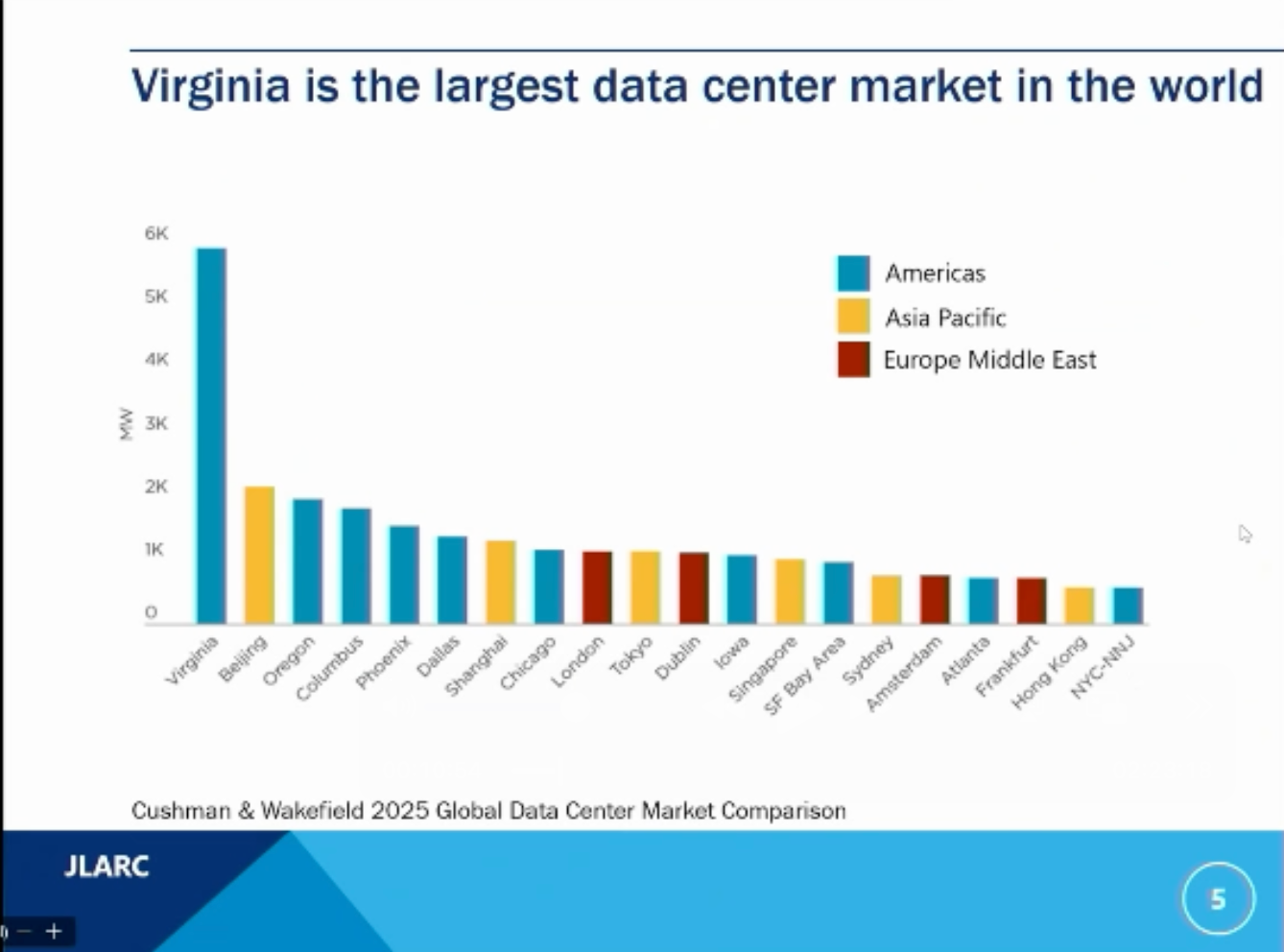
Mark Gribben of Virginia's Joint Legislative Audit and Review Commission shared findings from the state with the world's largest data center market, accounting for 13 percent of global operational capacity.
Virginia's data center industry created an estimated 74,000 jobs and added $9.1 billion to the state's economy, Gribben said. However, the industry presents significant challenges for energy infrastructure and consumer costs.
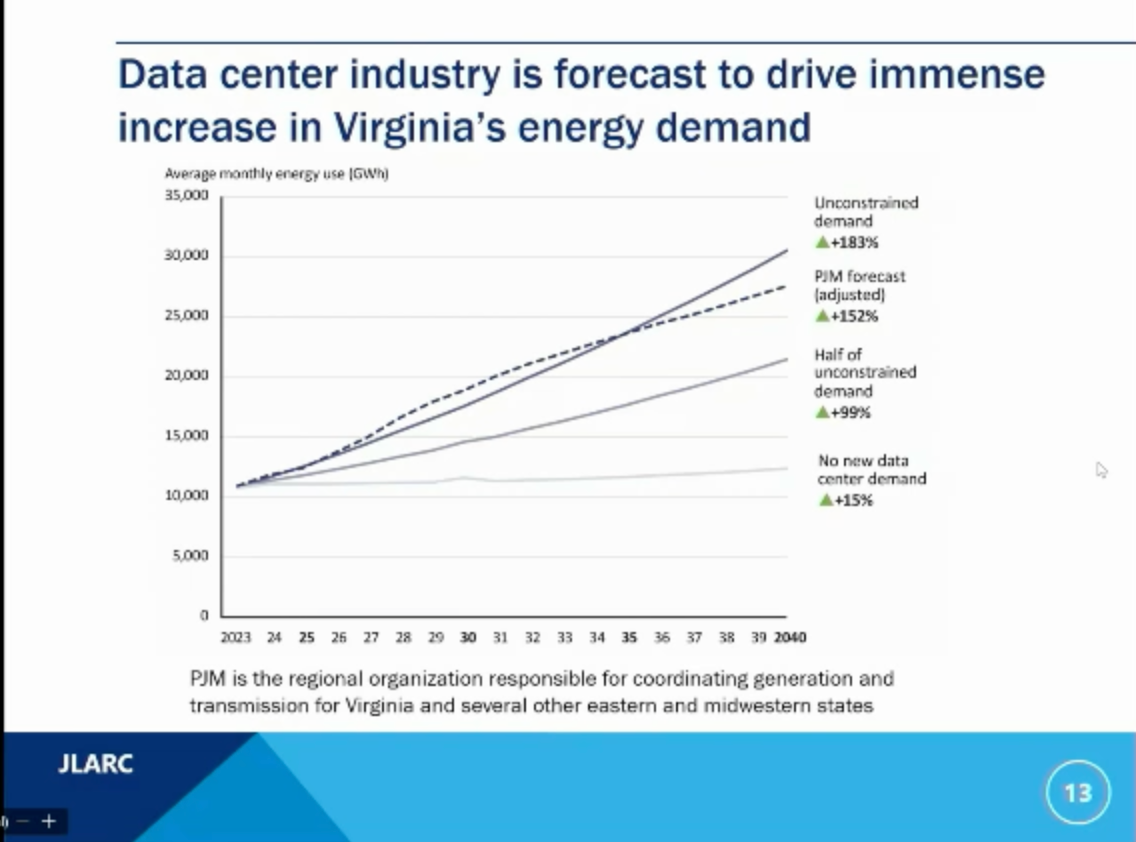
"Almost all of projected demand in Virginia is being driven by data centers, not other things like population growth or electric vehicles," Gribben said.
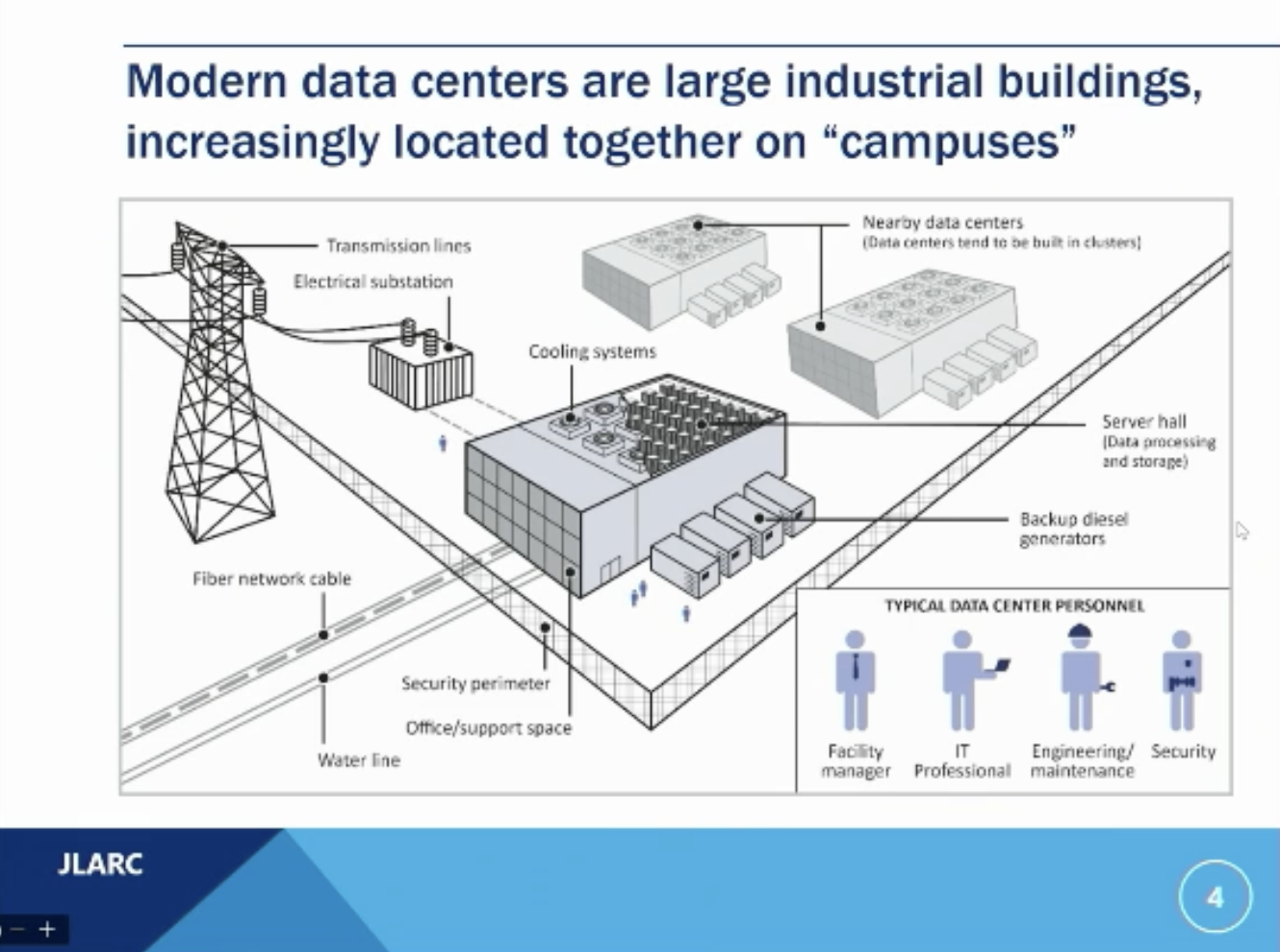
Screenshots from the state of Virginia's Joint Legislative Audit And Review Commission's presentation to Oklahoma legislators.
Virginia's independent energy forecast projects demand could triple by 2040 under an unconstrained scenario, or double even if only half of projected demand materializes, Gribben said. Meeting even the half-demand scenario would require nearly doubling existing generation capacity and significant increases to transmission and imports, he said.
Growing data center energy demand is likely to increase system-wide costs, with a portion recovered from other customers, Gribben said. Customers of Virginia's largest utility could expect moderate to large increases in their bills based on growing data center demand, he said.
Gribben recommended creating separate data center rate classes, adopting new cost allocation methods and adjusting rates more frequently to reflect how costs are being incurred as the system grows rapidly.
On employment, Gribben said data centers employ up to 1,500 workers during peak construction activity but relatively few staff once operational. About half of operational jobs are company employees like facility managers and information technology technicians, while the other half are contract workers including electricians, pipe fitters and security personnel, he said.
Scarlett Saunders addressed water usage, noting larger campuses with multiple buildings have higher total water demands. The type of cooling system significantly affects consumption, with evaporative cooling systems using substantially more water than closed-loop air-cooled systems, she said.
Oklahoma Water Plan Projects Growing Demand
Yohanes Sugeng, engineering and planning division chief with Oklahoma Water Resources Board, said the Oklahoma Comprehensive Water Plan guides how the state manages and plans for water resources through 2075.
The plan covers 82 basins grouped into 13 planning regions and projects public water supply will experience the greatest growth in coming decades, Sugeng said. Public supply is the second-largest water demand sector after crop irrigation, he said.
Oklahoma is projected to have a 20 percent population increase over the next 50 years, with public supply water demand projected to increase by 18 percent, Sugeng said. New and emerging users such as data centers will contribute to this trend, he said.
Data centers will be classified under either public supply if connected to a municipal system or self-supply industrial if relying on their own well or surface water diversion, Sugeng said.
The Oklahoma Water Resources Board projects some river basins will be fully allocated by 2075, with no guarantee of water availability during drought conditions — a key concern as data centers seek large water supplies.
Some river basins in Oklahoma are already fully allocated, meaning no new permits can be issued without affecting existing rights, Sugeng said. Other regions are partially affected by a 2016 water settlement agreement, he said.
Sugeng said water resources board data shows groundwater depletion is occurring in certain parts of Oklahoma at rates higher than they should be. The board will issue additional analysis on groundwater depletions in coming months, he said.
Committee Chairman Mike Dobrinski, R-Okeene, said he has concerns about Oklahoma's water supply.
"I haven't heard anything in the room today that gives me a great level of comfort that we have the ability to produce more," Dobrinski said. "So conservation will become a lot bigger factor on that front if we are going to meet the demands of tomorrow."
Project Timeline and Statewide Context
Moore said initial talks for the Stillwater project began in late 2018 when site selectors approached the Stillwater Chamber of Commerce. The project stalled during the pandemic but resumed in 2023 when the company confirmed its selection of Stillwater.
The taxing jurisdictions approved a tax incentive district agreement in January allowing construction to begin. The agreement required approval from every taxing jurisdiction, including Stillwater Public Schools, Meridian Technology Center, Payne County and the county health department, Moore said.
Clinton organized the study to examine how data center expansion affects Oklahoma's water resources and power grid. She noted two major hyperscale data center projects planned for Tulsa County.
Project Anthem would use more than 1 billion gallons of water annually, immediately becoming the city of Tulsa's sixth-largest water consumer, Clinton said. Project Clydesdale would use 6.1 million gallons of water per day, or more than 2.2 billion gallons annually, making it Tulsa's second-largest consumer behind Holly refinery, she said.
"My hope is that after today we can all walk away agreeing on basic points of fact that inform us on how to best move forward expanding this burgeoning industry responsibly while putting Oklahomans first," Clinton said.