Radio failures during March fires underscore need for county system upgrade
Equipment failures delay new countywide system; Payne County exceeds 88.5% of counties in wildfire risk


Equipment failures delay new countywide system; Payne County exceeds 88.5% of counties in wildfire risk
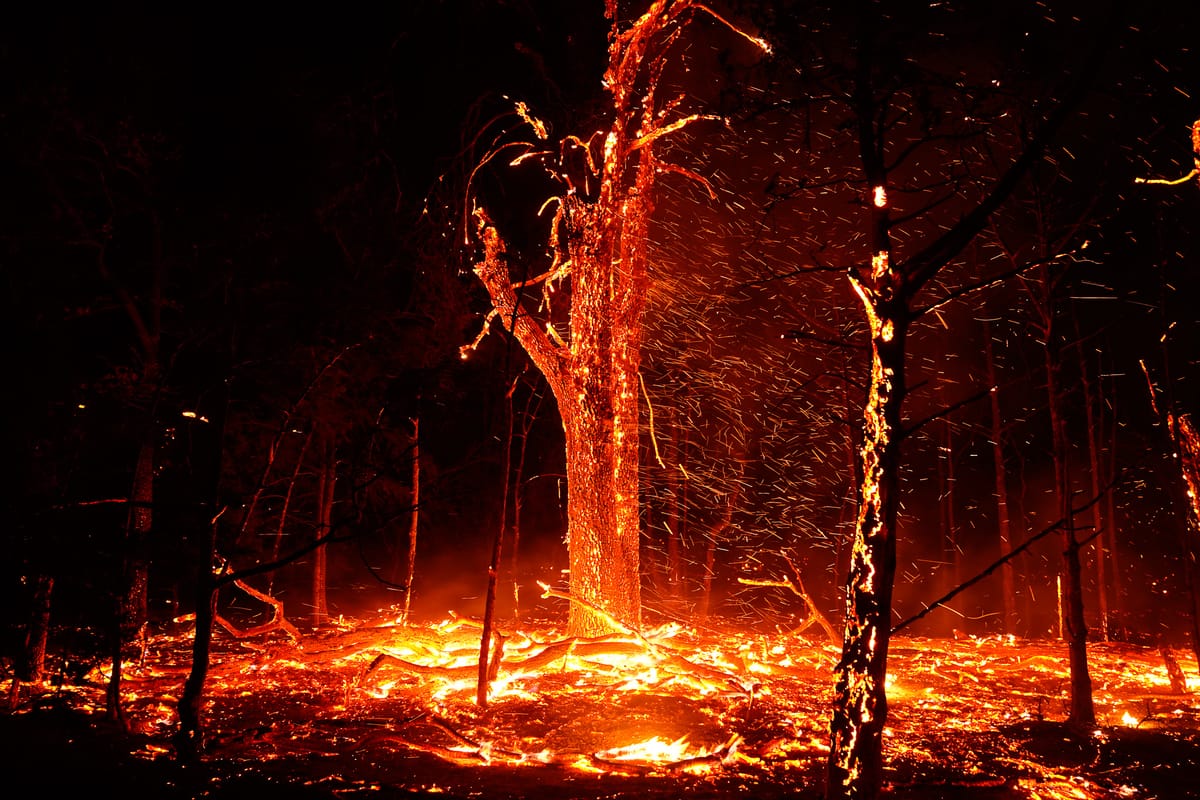
Nearly 10 months after catastrophic wildfires exposed critical communication gaps, Stillwater's upgraded radio system is proving transformative while Payne County's countywide network nears the finish line.
Stillwater's new radio system, operational since late June, has eliminated communication dead zones that hampered emergency response for years, according to Rob Hill, the city's director of emergency management. The county's system, meanwhile, sits at about 90 percent completion as officials await final networking equipment installation.
"The radios have improved our communications across the community drastically," Hill said. "Before we used to not be able to talk from inside of a Walmart. Now we don't have that problem."
The upgrades come as Payne County enters another dry winter season following devastating March 2025 wildfires that destroyed 98 homes and burned 26,301 acres across the county. Emergency officials are urging residents to take proactive wildfire preparedness steps rather than waiting for red flag warnings.
Payne County qualifies for Community Wildfire Defense Grants, a federal program funded through the Bipartisan Infrastructure Law. The county's wildfire risk to homes exceeds 88.5 percent of counties nationwide, making it eligible for funding that could cover mitigation costs for property owners.
"By the time we get to red flag day, it's too late to start doing something," Hill said. "People need to be acting now."

Build It Right — Start Local
Tools, lumber, and job-site essentials backed by local expertise. Stillwater Building Center helps homeowners and contractors get projects done right the first time.
📞 405-372-5959
The CWDG program was established with a $1 billion budget specifically designated to be spent over five fiscal years, from 2022 through 2026. Round 3 awarded $200 million and was announced in September 2025. Demand significantly exceeded available funding, with more than $1.6 billion in requests, according to the Association of Consulting Foresters of America.
The U.S. Forest Service is expected to open a fourth round of CWDG applications this year. Last year's Round 3 deadline was March 14, 2025 — the same day catastrophic wildfires swept through eastern Payne County.
Hill and Stillwater Fire Chief Duane Helmberger have been coordinating with U.S. Forestry on programs to clear vegetation in wildland-urban interface areas where dense forest and tall grasses meet neighborhoods. The agency also conducts prescribed burns on large properties to reduce fuel loads on a rotating basis.
"Fire Chief Helmberger and I met with U.S. Forestry and they have a program as well," Hill said. "They can do it in the county. They can do it in the city. They can basically do it just about anywhere."
Both the city and county are coordinating with these agencies to identify priority areas. Properties identified so far have been approved, and officials are awaiting final scheduling.
On days when the National Weather Service issues red flag warnings due to wind, temperature and low humidity conditions, residents should be hyper-vigilant about activities that could spark fires.
"A majority of fires are started people working out of doors, people dragging chains on trailers going down the road, start fires in the ditches and stuff," Hill said. "On red flag fire days, we just want people to be extra vigilant and extra cautious about the things that they're doing outside so that they don't accidentally start a fire."
Emergency officials recommend maintaining go bags at all times, not just during high fire danger periods. Go bags should include necessary paperwork, identification, medications and appropriate clothing.
During the March 2025 wildfires, property owners took various protective measures, including using sprinklers to wet down vegetation around structures.
"Obviously wet grass, even if it's dormant, won't burn," Hill said. "Most people will do just about anything they can to protect their property."
5 minute video on preparing your home and land from wildfires.
Payne County is implementing a mass notification system similar to what Stillwater uses. The county system will allow officials to send targeted alerts to residents during emergencies.
"We can pretty much send out the same kind of messages as them," Payne County Emergency Management Director, Pierce Taylor said. "If something happened in one of the rural towns, we'd probably start trying to push out information as well through it."
Stillwater's Rave system now includes a wildfire-specific notification option that residents can select when signing up for alerts.
During absolute emergencies, the state can send alerts that override phone settings, similar to Amber alerts or tornado warnings. According to Taylor, the state used this capability during both the October 2023 and March 2025 wildfires to issue evacuation notices.
"During every kind of disaster, no matter what it is, there's always going to be communication errors and things that lack in communication," Taylor said. "It's just kind of building upon that and trying to find the blind spots and build up from there."
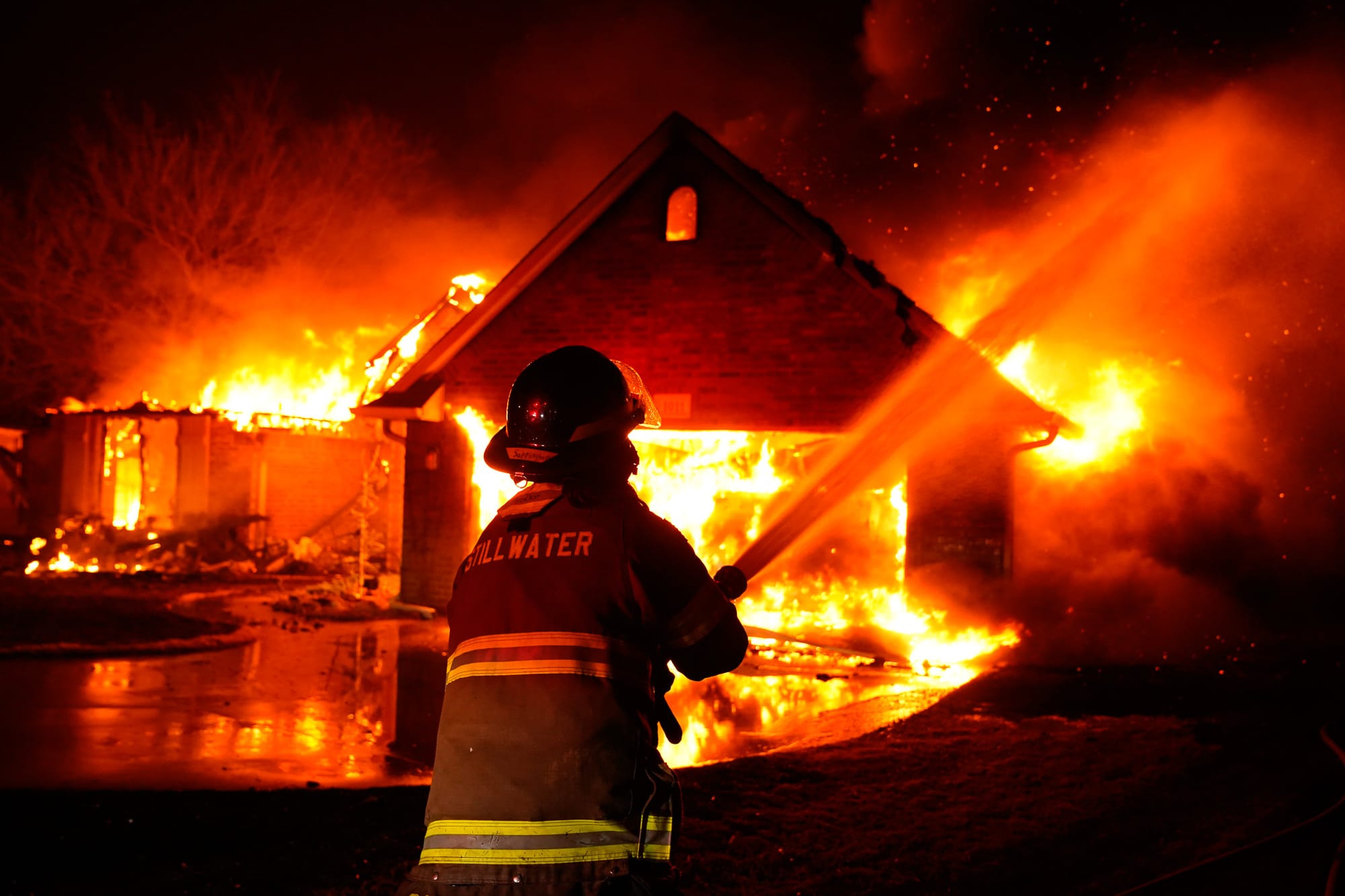
The March 2025 wildfires exposed critical communication gaps that the upgraded radio systems aim to prevent in future emergencies. During the disaster, radio systems failed at crucial moments when first responders needed reliable communication most.
"With the past fires that have happened, this new radio system for in-county communication would have made a night and day difference during these fires," Taylor said. "There were issues with Yale's radio system going down and then at one point the tri-county radio system had a loss of communication as well."
A message from Visit Stillwater
Ring in 2026 with excitement in America’s Friendliest College Town! From live music at the Tumbleweed and thrilling OSU Athletics, to livestock shows, new museum exhibits, and more. There’s something for everyone to enjoy!
The city's radio system has resolved longstanding communication problems that affected police, fire and other emergency responders. Officers can now communicate from inside major retailers like Walmart and Lowe's, as well as from any location within public schools.
"School resource officers can be anywhere in any public school at the moment," Hill said. "That's a big plus because we've never had that before."
The system's first major test came during Boomer Blast festivities in early July. Since then, emergency officials have documented significant improvements in coverage and reliability.
The new radios provide real-time feedback when users are out of range or when another person is already using the channel. On the previous VHF system, responders would "talk blind" without knowing if their message was received until someone responded.
Another key feature allows radios to connect to Wi-Fi networks, providing coverage in areas where traditional radio signals cannot reach. This capability is deployed across Oklahoma State University campuses in Stillwater, Tulsa and Muskogee.
"If you think about OSU campus, they have sometimes two and three floors below ground," Hill said. "We can't talk below ground like that because the radios can't reach out."
The Wi-Fi integration allows responders to maintain communication even when they leave the radio system's coverage area. Emergency vehicles equipped with Wi-Fi hotspots enable officers to stay connected anywhere with LTE coverage.
"Somebody could drive from here, go to the panhandle and talk on their radio all the way back to here," Hill said.
Once complete, Payne County emergency agencies will have achieved true interoperability between jurisdictions. A police officer from Cushing, for example, can drive to Stillwater and communicate with their dispatch center the entire way.
"Anybody in between would be able to communicate with them if they needed to," Hill said.
The system's design includes redundancy that allows it to continue functioning even if a tower fails due to severe weather or other disasters.
"If we lose a tower for some reason, say we had a tornado come through and we lose a tower," Hill said. "The system still continues to function and operate."
Payne County's radio upgrade is approximately 90 percent complete, but officials cannot provide a firm completion timeline, according to Taylor.
The project has taken nearly three years since commissioners approved the $9.6 million plan in April 2022. The county hired needs assessment consultant TUSA in May 2022, but planning faced multiple delays as commissioners differed on whether to bid out the contract or go with Motorola, which had already secured a state contract.
The county and its partner agencies continue using the older VHF system while awaiting installation of final networking equipment.
"There's a couple of things we're waiting on," Taylor said. "Some of the parts that arrived weren't working up to par. So they've had to reorder some small things and troubleshoot some other issues."
The biggest delay involves networking circuits provided by InDigital, a public safety networking company, Taylor said.
While the county will own the equipment, it will be intertwined with the state's OKWIN radio network to improve interoperability with state agencies such as the Oklahoma Highway Patrol.
"We're kind of waiting on the company that's doing the networking side of things to get what they need in and then get that installed," Taylor said.
Once operational, the county system will provide the same advantages Stillwater is experiencing, including better coverage and user feedback about transmission success.
"When you hit the talk button, if it can't hit an antenna, it will let you know," Taylor said. "So you know if you're being heard or not from the radio you're on."
Payne County is using $9.6 million of its $15.9 million American Rescue Plan Act dollars to fund the countywide network.
The city funded its $6.7 million radio system internally. Federal ARPA dollars were directed toward infrastructure projects.