Last updated: June 19, 2026
The Stillwegian Election Desk is your 2026 voter guide for Stillwater and Payne County. Every election cycle, the Election Desk brings together original candidate research, tailored questionnaires grounded in local issues, and verified biographical information β all sourced, fact-checked, and presented without editorial bias.
We do not endorse candidates. That is not our role. What we do is give you the tools to decide for yourself.
Registered members can submit endorsement letters in support of candidates, published alongside candidate bios and questionnaire responses below. When you read the Election Desk, you are reading original journalism alongside the voices of your neighbors β people who live in your district, follow these races, and want to be heard.
No other local publication is doing this. We think it matters.
Submit an endorsement letter β thestillwegian.news/candidate-endorsement-letters-how-to-submit
Candidates: If you find an error in your biographical information, please contact us at 405-314-6629 or email chris@thestillwegian.news.
Districts & Precinct Map
Legislative
County & Local
Other
Tap any district for its current officeholder and related news coverage.
Jump to a race
- Payne County Commissioner, District 1
- Payne County Commissioner, District 3
- Oklahoma Senate, District 20
- Oklahoma House, District 32
- Oklahoma House, District 33
- Oklahoma House, District 34
- Oklahoma House, District 35
About the June 16 primary
According to the Payne County Election Board, Payne County has 45,414 registered voters. For context on what to expect: the 2024 presidential general election drew 64.72 percent turnout countywide, while the April 2026 school and municipal general election drew just 5.60 percent. Primary elections typically fall somewhere in between, though voter eligibility varies by district and race.
Six contested Republican primaries β two for county commissioner, one for state senate, and three for state house β will effectively decide several local races before November. Because no Democrat or independent filed in four of the six primary races, the Republican primary winner takes the seat outright.
House District 32's Republican primary winner will face independent Andy Brown in November. House District 33's Republican primary winner will face Democrat Dr. Max E. Burchett Jr. in November. House District 34 has no primary β incumbent Rep. Trish Ranson and Republican Aaron Means go directly to the November 3 general election.
Early voting: June 11-12, 8 a.m. to 6 p.m. | June 13, 8 a.m. to 2 p.m.
Early voting locations:
- Payne County Expo Center β 4518 Expo Cir E, Stillwater
- Cushing Chamber of Commerce β 1301 E Main St, Cushing
Election Day: June 16, polls open 7 a.m. to 7 p.m.
Voters can check their Election Day polling place at okvoterportal.okelections.gov.
Voter registration, turnout, and early voting information sourced from the Payne County Election Board.
Sign up for THE STILLWEGIAN
Stillwater Oklahoma's local independent online news. Stay informed with free weekly newsletters.
No spam. Unsubscribe anytime.
Payne County Board of Commissioners, District 1

County commissioners in Oklahoma are elected to serve as the principal administrators and business managers of the county. While road and bridge construction and maintenance is among the office's most visible functions β commissioners hold exclusive jurisdiction over county highways and bridges under Oklahoma law β the role also includes supervising the county's financial affairs, setting and administering county policies, developing personnel policies, inspecting and approving county programs and facilities, and auditing the accounts of other county officers.
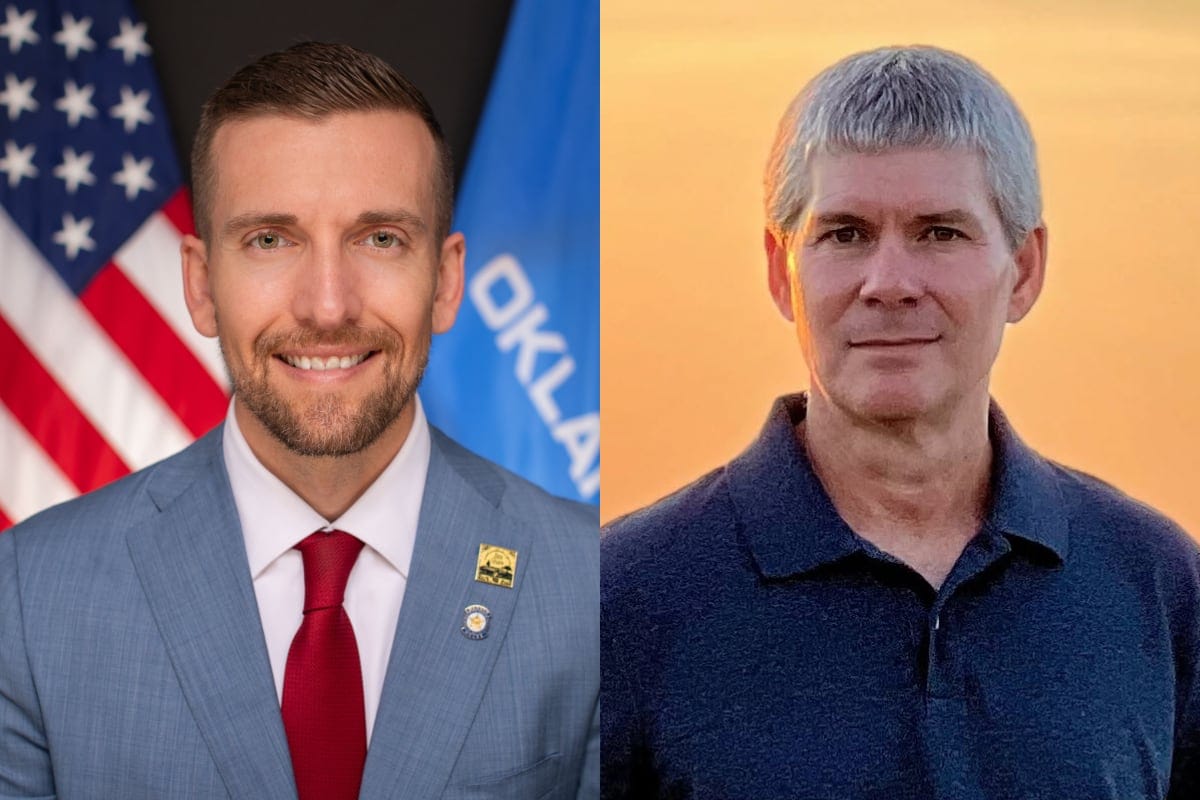
District 1 covers the eastern portion of Payne County. Incumbent Zachary Cavett faces two challengers. No Democrat or independent filed, so the primary winner takes the seat.
Race Coverage
THE STILLWEGIANChris Peters
Zach Cavett, 47, Glencoe
Republican β Incumbent
Cavett has served as District 1 commissioner since 2012, making him the longest-tenured member of the current board. He serves as board chairman. Cavett began his career working with county road and bridge crews out of high school before winning election to the seat.
Note: No campaign website or social media presence has been identified for Cavett's 2026 campaign.
Zach Cavett β Questionnaire responses
- You have served as District 1 commissioner since 2012. What do you consider your most significant accomplishments during that time, and what unfinished work are you seeking re-election to complete?
I consider some of the greatest accomplishments completed to be the completion of the Norfolk Road CIRB project. This three-mile project was engineered several years prior to me taking office and was finally completed in 2025. This project was made possible from funding that was obtained through the CIRB program and diligent work to bring those funds into Payne County. This project brought in over $5 million in infrastructure improvements. During my tenure, I have brought in over $1 million per year of outside funding to aid in infrastructure improvements. There have been over 10 bridges built and 50 miles of new asphalt placed under my leadership.
Unfinished work: I currently have partnerships and agreements with the Pawnee and Sac & Fox tribes to build up to 10 bridges in Payne County within their tribal territory. This is estimated to save Payne County taxpayers over $10 million. I also have engineering design working on two miles of roadway reconstruction on 9th and Harmony east of Cushing to improve the roadway and add a sidewalk for the new Cushing school facility. There are also more road improvements planned within our County 5-year plan I would like to complete.
- What are the most significant challenges District 1 faces over the next two to four years, and how would you address them?
Challenges that District 1 faces are not much different than any other county or business faces β not enough funding to accomplish all that I would like to accomplish. That being said, Payne County is blessed to have the funding we have. If roads were evaluated from Payne and surrounding counties, one would find that we have significantly better roads overall. Another challenge most all counties face is the ability to pay employees enough to keep them.
- How do you currently measure and communicate road maintenance progress to District 1 residents, and what would you do to improve transparency going forward?
Payne County District 1 currently has a process to address call-in requests. All requests are logged into a live document allowing all necessary employees to know where areas of concern are to be addressed. Once the request has been addressed, it is logged as completed and my assistant has been tasked with informing and verifying that the caller's requests were satisfactorily addressed. When District 1 is in the process of planning roadwork, my assistant is tasked with posting potential delays, road closures and improvements on Facebook.
- Oklahoma lawmakers and voters are debating proposals to limit property taxes. What is your position on property tax reform, and how would any changes affect road and bridge funding in District 1?
I do not have any issues with any tax reform. I believe we first need to have other funding mechanisms in place to take their place. The thought of not paying property tax sounds great, but what services will be lost with that funding loss without replacing it? Law enforcement? Fire? Legal filings? Currently in Payne County road districts 1 and 3, only two road foremen and the chairman's assistant are funded with property tax funds, so that would not have a drastic effect on road and bridge funding directly. It would, however, have monumental negative effects in all other aspects of county government, as well as schools, which receive around 87% of property taxes.
- You ran unopposed in your last election but now face two challengers. What do you say to voters who may be open to a change in this seat?
I began my career with Payne County in 1997, working through every aspect of county work from mechanics to road and bridge building. I was elected to serve as your commissioner in 2012. I have brought in on average over $1 million per year of outside funds since 2012 to aid in improving our infrastructure. I not only deal with roads and bridges, but also with updating policy and procedures for Payne County and addressing liability concerns facing government entities today. I am young enough to be actively involved, old enough to be intelligently involved, and experienced enough to be competently involved.
Responses have been lightly edited for grammar, spelling, and AP style. Substance and positions have not been altered.
Reader endorsements
Kari Moore β Stillwater
It is my pleasure to offer my endorsement of Zach Cavett. In my professional capacity on local economic development efforts, a key priority has been strengthening partnerships and collaboration between Stillwater and the communities throughout Payne County. In that effort, Zach has consistently demonstrated a commitment to engagement, learning and service.
Zach has not only participated in regional meetings and collaborative opportunities, but he has also been actively engaged in understanding the resources available to support local communities. He has taken advantage of free economic development training opportunities and shown a genuine interest in expanding his knowledge to better serve the residents of his district.
What stands out most about Zach is his willingness to listen, learn and consider new ideas. He approaches challenges with an open mind and a desire to find practical solutions that benefit the people he represents.
As communities continue to face evolving opportunities and challenges, leaders who are willing to invest in relationships, seek out knowledge and embrace innovative approaches are essential. Zach has demonstrated these qualities through both his participation and his actions.
I am confident that Zach will continue to be a thoughtful advocate for his district and a constructive voice in efforts that support economic growth, community development and regional cooperation. I am pleased to offer my support and endorsement of his continued service and look forward to working with him more in the future. β Kari Moore
Reader endorsement letters will appear here as they are received and approved for publication.
Submit an endorsement letter β thestillwegian.news/candidate-endorsement-letters-how-to-submit
Ray Harper, 66, Glencoe
Republican β Challenger
Harper has lived in Payne County since 1985. He spent 27 years at Mercury Marine, worked in construction, spent 10 years with ASCO, and has more than 40 years of carpentry and remodeling experience, according to his campaign Facebook page. He and his wife, Connie, have children and six grandchildren, and his son is Payne County Sheriff Joe Harper. Harper has framed his candidacy around road safety and responsible use of taxpayer dollars.
Campaign Facebook: facebook.com/RayHarperDistrict1CountyCommissioner
Questionnaire responses: Pending β responses due June 10.
Reader endorsements: Reader endorsement letters will appear here as they are received and approved for publication.
Submit an endorsement letter β thestillwegian.news/candidate-endorsement-letters-how-to-submit
Jacob Presuhn, 31, Ripley
Republican β Challenger
Presuhn and his wife operate a small farm near Ripley. He told The Stillwegian he has worked as an operator in training for the Payne County District 3 road crew since October 2025, with duties including grading roads, clearing ditches, and replacing culverts. His background is in hospital maintenance, where he said he developed skills in service and problem-solving. He has proposed implementing performance-based road reviews and a predictive maintenance program for county equipment, according to his campaign Facebook page.
Campaign Facebook: facebook.com/profile.php?id=61574290366477
Jacob Presuhn β Questionnaire responses
- You described your career in hospital maintenance as formative β that it taught you to care for people and to do the work others avoid. Walk readers through what that career involved, including how long you were in the field and what your responsibilities included.
My six years at Stillwater Medical Center definitely molded me into the man I am today. Early in my career, I realized how important it was to the patients and their families that my task was completed with care and compassion. Most of the tasks I had may not seem like a big deal to most people. The daughter that wanted to see that glimmer in her mother's eye for the last time thought the light bulb was pretty important. Every call I took or work order I picked up was handled with the utmost importance. That is just one example β the list goes on, but I will spare my readers. The bulk of my tasks were not life or death but helped make the stay in our facility bearable. From changing light bulbs to clearing clogged drains, and from working on chillers and boilers to changing ceiling tiles, there was nothing that I wouldn't grab ahold of (with gloves, of course). When I was promoted to lead technician for our off-site locations, I carried that same work ethic and core values to a new set of customers. I began leadership training that prepared me for my future β training that taught me how to handle and work with all types of people and how to have conversations that addressed the good and the bad without the ugly. I am forever grateful for that season of my life and the leadership I was able to study under.
- You have proposed implementing performance-based road reviews and a predictive maintenance program for county equipment. What would those look like in practice for Payne County, and what would it cost or save?
Any and all answers to road review and predictive maintenance begin with data β how much time and materials it takes to keep a road in satisfactory condition. We can break schedules down as granularly as we want to, but the most beneficial review periods are monthly, quarterly, and annually. If elected, I will begin to dig through existing data, as well as collect my own, to get us on the right track. As we accumulate enough data, we will be able to predict when a road or piece of equipment is going to need attention and schedule accordingly. That is the biggest benefit of predictive versus reactive maintenance. We have all heard "time is money," so if we can better use our time, we save money. Breakdowns almost never happen when you can afford to have the equipment down β so we overnight parts, stay late, and get it going. We will not be able to catch everything before it breaks, but we can minimize the effects of breakdowns through predictive maintenance. Roads can operate on a similar schedule with similar types of data. I will look to implement quarterly road inspections, performed and documented by me, using a straightforward checklist: Is there enough gravel? Can water get off the road? What is the ditch condition? Is the road properly shaped? What is the hard surface condition? This checklist will be tailored to fit our needs as we move forward. I also plan to implement technology that documents conditions and generates service orders, but will rely on paper records until that system is in place.
- You have never held elected office. What is your plan for learning the administrative and budgetary responsibilities of the commissioner role, and who would you lean on for guidance in the early months?
Elected office is new to me, but I have never been known to pass up a challenge. I have a business mind and enjoy working with numbers. I will lean heavily on my secretary and past and present commissioners throughout the state. I will be active with neighboring county commissioners so I can provide the best possible outcome for our county. I am a fast learner and am not afraid of learning new things.
- Oklahoma lawmakers and voters are debating proposals to limit property taxes. What is your position on property tax reform, and how would any changes affect road and bridge funding in District 1?
I will agree that property tax reform is needed, but we have to be careful about how we move forward. Reducing or removing property taxes would put the services we have grown to expect in a delicate balance. Property taxes fund a multitude of things: schools, county sheriffs' offices, county roads, and county administration. What amount might each household need to pay to keep those departments running? Would we have to pay tuition for public school? Would we have to share the cost of road maintenance directly? Would we put an undue burden on local law enforcement? Truthfully, we do not know what that looks like. We have to find a solution that keeps all of these programs going without decimating our local economy. Property taxes probably would not be in question if people felt they were getting their money's worth. I generally look for change when I feel like I am not getting what I paid for. What we need is to be more aware of people's needs. I know I may not be able to impact what you pay in, but I will treat it like it came from my own pocket.
- Of all the issues facing District 1, which two do you believe matter most to your constituents, and what specifically would you do to address them?
The two topics I have heard most consistently are data centers and property owners' rights. To me, they go hand in hand. I have a firm stance in favor of property owners' rights and against any corporation, in or out of state, that negatively impacts life β people, plants, or animals. I will work to advocate for property owners and their rights, provide people with education and relevant contacts, and use my time with state lawmakers wisely to do my part in keeping this a great place to raise our children. I am a firm believer in being a good steward of all that is entrusted to me.
Responses have been lightly edited for grammar, spelling, and AP style. Substance and positions have not been altered.
Reader Endorsements
Jamie Barrett β Ripley
Jacob is the hardest working and dedicated person I know. He is committed to serve his Lord, family, friends, community, and tax payers of Payne county. He is currently employed at District 3 working everyday repairing and building our roads. He is a part-time farmer. Previously he was employed at Stillwater Medical Center in a supervisory position for off site locations. This gave him experience with managing other employees. He also kept books for small local company.
Jacob is younger than the other candidates running but this is beneficial to give our county office a fresh and new perspective in accomplishing much needed success on getting the roads improved and decreasing wasted resources. Payne County District 1 needs a change for the better. Give your vote to the candidate with a long term plan to make real changes. β Jamie Barrett | mother-in-law
Thomas Chapman β Pawnee
I've known Jake for over 10 years. He has always impressed me as an intelligent, hardworking young man. His integrity and honesty are above reproach. I worked with Jake at Stillwater Medical Center for a number of years. He was quickly promoted to team leader after demonstrating to upper management his dedication, his ability to organize, and his maturity and commitment to the hospital mission. He then led his team in a challenging, high-pressure environment. This involved multiple tasks assigned to the different members of his team, and the assistance and supervision of each team member in accomplishing those tasks β exactly the skill set that will serve him well as county commissioner.
He has worked as a road technician for District 3 for some time now and understands, through hands-on experience, the operation of equipment and the management of resources to get the job done. This practical experience operating different types of equipment on the job site will be a great asset in his ability to prioritize road maintenance tasks and allocate resources to get those tasks done. It is my humble opinion he will perform his duties as county commissioner with the same solid leadership and resource management skills he has already proven himself to have. I strongly encourage the voters of District 1 to elect Jacob Presuhn as your county commissioner. β Thomas Chapman
Reader endorsements: Reader endorsement letters will appear here as they are received and approved for publication.
Submit an endorsement letter β thestillwegian.news/candidate-endorsement-letters-how-to-submit
Payne County Board of Commissioners, District 3

Oklahoma county commissioners serve as principal administrators and business managers of the county, with responsibilities that extend well beyond road and bridge maintenance β including supervising county finances, setting county policy, auditing other county officers' accounts, and managing personnel. Under Oklahoma law, commissioners hold exclusive jurisdiction over county highway and bridge construction, maintenance, and repair within their districts.
District 3 covers the western portion of Payne County. Incumbent Rhonda Markum faces one challenger. No Democrat or independent filed, so the primary winner takes the seat.
Race Coverage
THE STILLWEGIANChris Peters
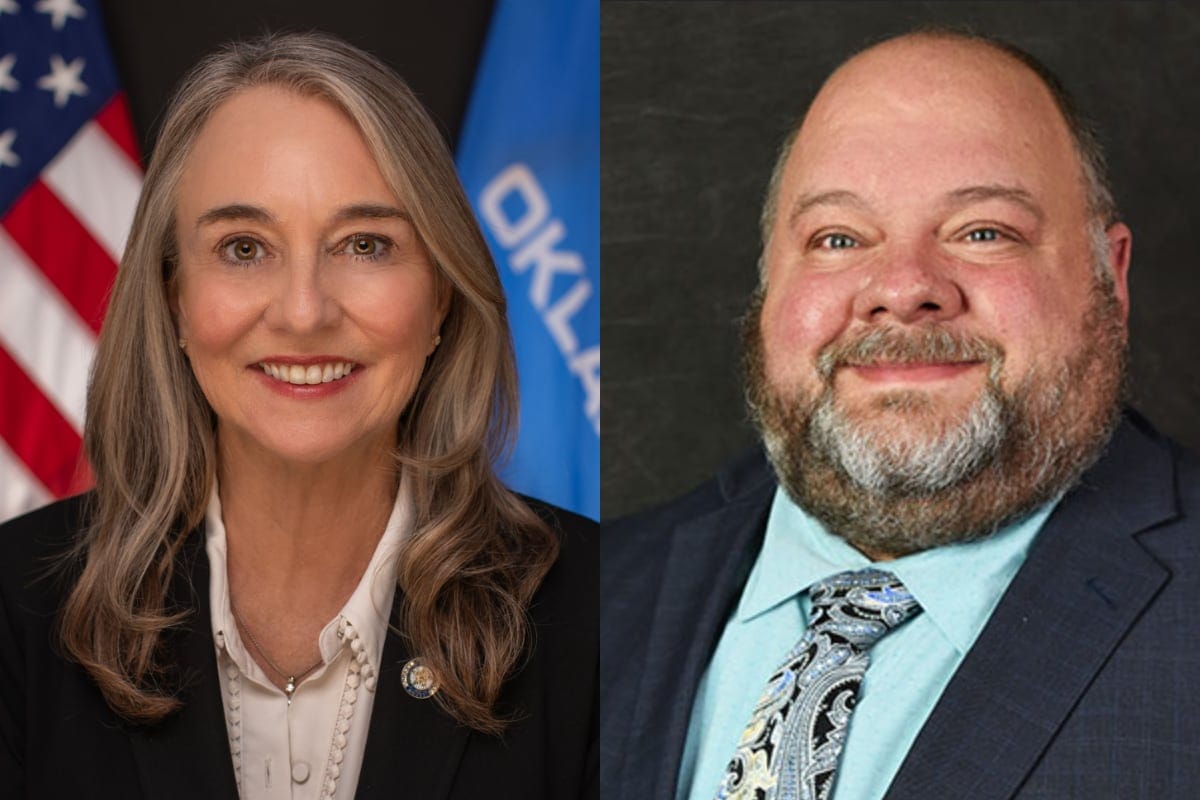
Rhonda Markum, 63, Stillwater
Republican β Incumbent
Markum was elected in 2022 after eight years as the District 3 administrative assistant under two commissioners. Before filing for the seat, she earned the Road Scholars certification, a state-level course in road construction management and documentation.
Campaign Facebook: facebook.com/profile.php?id=61570963825948
Rhonda Markum β Questionnaire responses
- You have served as District 3 commissioner since 2022. Walk readers through what you consider your most significant accomplishments in your first term and what unfinished work you are seeking re-election to complete.
I applied for and received $850,000 in Lake Access Grant funding from the state to repave Redlands and Lakeview roads. I applied for enough money to do the complete 6.5 miles of asphalt but was only awarded enough funding for 3 miles. The grant specified which parts of the roads the money was to be used on, and I used county funding to complete the remainder of the project.
We are currently paving 12 miles of roads. During this term, 17 miles will be paved. We continue to apply new rock and maintain about 370 miles of gravel road in District 3.
We continue to update the county road equipment and fleet. During the first part of my term, the graders and trucks constantly needed extensive repairs and were costing us significant money and downtime. At one point, District 3 was down to one road grader. I designed a plan to start replacing the graders and hauling equipment without breaking the budget. Now we have seven new graders, one refurbished grader, three semi trucks with belly dump trailers, two bobtail trucks, two roller compactors and a jetter to clean out culverts. This process took more than three years of effort. We finally have a reliable fleet that allows us to efficiently complete projects.
Early in my term, I implemented a vegetation management plan using environmental spraying for weed control, reducing right-of-way mowing costs.
In January, I will apply for another Lake Access Grant to extend the asphalt on Redlands and Airport roads to Lake McMurtry and to pave 6th Street, on the south side of Tan Tara, to Lake Carl Blackwell.
Two miles of 44th Street going east of Highway 177 needs to be widened and repaved. I will be seeking additional funding from the eight oil companies that have units along this 3-mile stretch of road.
- A recent post on your campaign Facebook page lays out the district's actual funding sources and monthly operating costs in detail. What do you want voters to understand about the financial realities and challenges of running a road district over the next few years?
About 60% of District 3's road funds come from the quarter-cent and three-eighths-cent sales taxes, with the rest coming from fuel and motor vehicle taxes. Other than inflation over the last six years, the economy seems fairly stable, with income from taxes being fairly reliable.
Probably the biggest challenge we face is the increasing cost of materials. For instance, in 2019 it cost $165,000 to pave one mile of road. Today, it's costing $450,000 a mile. However, the 12 miles of road we are currently paving (five separate projects) were grouped together in one bid, which brought the cost to $400,000 a mile. This saved the county $600,000.
But grouping the paving into one bid has its drawbacks. It takes significant time for our crew to prepare the five road beds, grind the old asphalt and get the roads ready for the new pavement. During this preparation time, local residents have the burden of driving the sometimes rough and dusty roads. I understand this is not the best situation, but most local residents are very patient and understand the cost-saving behind the decision.
Another challenge is getting skilled workers to come and stay with the county because of the state salary schedule. They can typically make more in the private sector, especially after they have a couple years of experience operating county equipment. I am blessed to have the current crew and am thankful for them. Currently, District 3 could use four more full-time operators with a CDL. Additionally, I have skilled employees who will be retiring in the next 5 to 10 years, and it's becoming more difficult to get younger employees who want to learn and carry on the mission.
- You won your seat in 2022 after eight years as the District 3 administrative assistant. Now you face a challenger in your first re-election bid. What do you say to voters who may be open to a change in this seat?
Change is not always positive. Each voter has the privilege of weighing each candidate's training, vision and experience for the position. Over the last 11 years, I have completed more than 250 hours of required county government training. This amount of training shows that the position of county commissioner is not just about roads. The job requires someone who can oversee and serve on several county boards, plan and execute a budget, determine and schedule various projects, write grant applications, negotiate contracts with suppliers and contractors, and ensure the legal paperwork is in place for each project, just to name a few of the responsibilities of the commissioner.
I hope voters will appreciate that the job of commissioner is all about the paperwork, because without that, nothing happens. The job of road foreman is all about the roads and making sure the projects decided on by the commissioner are carried out in a skilled and complete manner.
I have the experience, knowledge and training to continue in this position. I will make sure the paperwork is done properly so that road projects continue to be funded and completed, while keeping the many other county tasks on track.
- Oklahoma lawmakers and voters are debating proposals to limit property taxes. What is your position on property tax reform, and how would any changes affect road and bridge funding in District 3?
State Question 847 is an issue that has many considerations. As a landowner, the ever-increasing burden of property taxes is becoming a hardship on people who have worked hard all their lives for their homes and are continually taxed every year. If this trend continues, many generational farms and businesses will not be able to keep the property in the family.
How the voters of District 3 vote on this issue is their privilege; it is not necessarily an issue county commissioners should be promoting. As a commissioner, my job is to work with the county budget board to effectively oversee the funds that are divided between the eight county departments. I have to work with the funds that are appropriated to my department. I plan the budget so that District 3 can maintain a balance between regular expenses (such as road maintenance, equipment needs and salaries) and one-time expenditures (such as bridge repair, flood damage and newly paved roads). District 3's funding comes from the following sources:
Highway Cash Fund β This money is received monthly from several different taxes: the gasoline excise tax, motor vehicle collections for county roads, the diesel fuel excise tax, the motor vehicle collection county road fund, the County Road Improvement Revolving Fund (Senate Bill 1888), the gross production tax and the special fuel tax. These funds are used for daily maintenance and operations β employee salaries, utilities, equipment repairs, gravel and fuel. It can also be used to purchase equipment.
CBRI β This is the County Bridge and Road Improvement fund. This money comes from the Oklahoma Tax Commission and the Oklahoma Department of Transportation. Typically, this fund is used for bridge engineering and replacement. No property tax money is included in this fund. The only fund that has property tax money is the County General Fund.
Three-eighths-cent sales tax β This is part of the county sales tax on items purchased within Payne County. This account receives money monthly and can be used for purchasing equipment, gravel and fuel, and for building roads.
Quarter-cent sales tax β This is also part of the county sales tax on items purchased within Payne County. This account receives money monthly and is specifically to be used on roads β for new asphalt and repair of asphalt roads.
County General Fund β The money for this fund is generated through property taxes. The county budget board distributes these funds between the county departments. According to the Payne County Assessor's website, the county receives, on average, only 11 cents of each dollar of property taxes. School districts and vo-tech receive about 86 cents of each dollar, with the remainder going to cities, county health and EMS services. This money is used to pay the road district's county employees' benefits (insurance, longevity and retirement) and the first deputy's salary.
District 3 receives about $5.2 million each year from all funding sources. Of that amount, about $425,000 is from the County General Fund (property taxes). As you can see, property tax revenue represents about 8% of District 3's budget. And yes, we would miss that if it went away. But there are many ways the state can recover those funds through other taxes or fees so that schools, cities and counties are held harmless.
- Of all the issues facing District 3, which two do you believe matter most to your constituents, and what specifically would you do to address them?
Roads are always an issue. I will continue to find more funding to stretch the budget and look for better ways to preserve what we have to make our asphalt roads last longer. Due to flooding in different areas over the past two years, we've been working on road and creek drainage issues. Our efforts include cleaning ditches that have been silted in, replacing several culverts that failed, repairing many bridge headwalls, and continuing to address long-term drainage issues.
Property rights of the constituents. This became a big issue about a year after I took office. Many of my constituents were being approached by people representing high-voltage transmission line corridors, wind turbine installers, solar panel companies, BESS facilities and humanure projects. For the most part, these companies did not respect property owners' rights and at times were not truthful in their negotiations. I was contacted numerous times by constituents who were facing these companies and being threatened with eminent domain. As a county commissioner, I can only do so much, but I will not sign an eminent domain proceeding on someone's property dealing with the green energy scam, if it comes before the board of county commissioners.
Responses have been lightly edited for grammar, spelling, and AP style. Substance and positions have not been altered.
Reader endorsements: Reader endorsement letters will appear here as they are received and approved for publication.
Submit an endorsement letter β thestillwegian.news/candidate-endorsement-letters-how-to-submit
Clayton Estus, 32, Mulhall
Republican β Challenger
Estus describes himself as a lifelong Payne County resident with more than 14 years in heavy civil construction, road construction, excavation, infrastructure development, and equipment operations. He joined Payne County District 3 in October 2024 as road grader operator and was promoted to road foreman/first deputy commissioner in early May 2025, the No. 2 position in the district under Markum. He resigned from that role at the end of March 2026 before filing for the commissioner seat. His campaign emphasizes fiscal accountability and improved communication with constituents.
Campaign website: estus4commissioner.com Campaign Facebook: facebook.com/profile.php?id=61573307905367
Clayton Estus β Questionnaire responses
- Your campaign website describes a background in heavy equipment and road construction. Walk readers through your work history β your employers, your roles, and how long you have been in that field. Are you currently employed by Payne County District 3?
I have spent more than 14 years working in heavy civil construction, road construction, excavation, infrastructure development, and equipment operations. Throughout my career, I have worked in both the private and public sectors, gaining experience in road building, drainage systems, site development, project coordination, and equipment management.
Most recently, I served as road foreman for Payne County District 3, where I worked directly with road maintenance operations and county infrastructure. That experience gave me a firsthand look at both the strengths and challenges facing our county road system. It also allowed me to see areas where I believed improvements could be made in long-term planning, communication, maintenance priorities, and protecting taxpayer investments.
As road foreman, there were limits to the decisions I could make regarding policy, budgeting, and project priorities. Over time, I realized that if I wanted to help create meaningful change and advocate for a different approach, I would need to seek the office responsible for those decisions. That realization ultimately led me to run for county commissioner.
I am not currently employed by Payne County District 3.
- You have never held elected office. What is your plan for learning the administrative and budgetary responsibilities of the commissioner role, and who would you lean on for guidance in the early months?
As road foreman, I worked closely with county operations and gained insight into many of the challenges facing District 3. If elected, I would continue learning from experienced county personnel, county clerks, purchasing officials, the county assessor, state associations that provide commissioner training, and fellow commissioners who have successfully managed their districts.
I also believe good leadership is not about pretending to know everything on day one. It is about asking questions, studying the facts, listening to experienced staff, and making decisions that are in the best interest of taxpayers.
My approach would be to combine practical field experience with sound financial oversight, transparency, and a willingness to continuously learn and improve.
- Based on your experience in road construction and maintenance, what do you believe needs the most improvement in District 3, and how would you address it?
The biggest area for improvement is developing a long-term maintenance strategy that protects the county's existing infrastructure before problems become significantly more expensive to repair.
Roads are not simply asphalt and gravel. They are drainage systems. Water is the No. 1 enemy of any road. Proper ditching, culvert maintenance, road crowning, and drainage management are essential to preserving both paved and unpaved roads.
I believe District 3 should place greater emphasis on preventative maintenance, improving drainage, maintaining road shoulders and ditches, preserving existing asphalt roads, and communicating project priorities clearly to residents.
By focusing on maintenance first and addressing problems before they become major failures, we can better protect taxpayer investments and improve road conditions throughout the district.
- Oklahoma lawmakers and voters are debating proposals to limit property taxes. What is your position on property tax reform, and how would any changes affect road and bridge funding in District 3?
I understand why many homeowners are concerned about rising property valuations and increasing tax burdens. Any discussion about property tax reform should focus on balancing taxpayer relief with the need to maintain all essential public services.
Property taxes help fund a wide range of services that residents depend on every day, including county roads and bridges, public schools, technology centers, emergency services, and other local government functions. Significant reductions in property tax revenue without a sustainable replacement funding source could create challenges not only for county infrastructure, but also for our educational institutions and community services.
In addition, many state agencies and programs that partner with county governments rely on public funding to provide resources, grants, and technical assistance. When revenue streams are reduced, those partnerships and opportunities can be affected as well.
I support transparency, accountability, and responsible use of taxpayer dollars, but I believe any property tax reform should be carefully evaluated to ensure it does not unintentionally shift financial burdens elsewhere or reduce the services that citizens expect and deserve.
- Of all the issues facing District 3, which two do you believe matter most to your constituents, and what specifically would you do to address them?
Based on conversations I've had across District 3, the two issues I hear about most often are road conditions and communication from the county commissioner.
Regarding roads, residents want safe, reliable transportation routes and confidence that their tax dollars are being used effectively. My focus would be on preventative maintenance, improved drainage, preserving existing infrastructure, and developing long-term plans that prioritize both safety and fiscal responsibility.
The second issue is communication. Residents want to know what projects are being planned, what work is being performed, and where they can turn when problems arise. If elected, I would work to improve communication through regular updates, greater transparency regarding project priorities, and maintaining an open-door approach with constituents.
County government works best when residents know their concerns are being heard and their elected officials remain accessible and accountable.
Responses have been lightly edited for grammar, spelling, and AP style. Substance and positions have not been altered.
Reader endorsements: Reader endorsement letters will appear here as they are received and approved for publication.
Submit an endorsement letter β thestillwegian.news/candidate-endorsement-letters-how-to-submit
Jump to a race
- Payne County Commissioner, District 1
- Payne County Commissioner, District 3
- Oklahoma Senate, District 20
- Oklahoma House, District 32
- Oklahoma House, District 33
- Oklahoma House, District 34
- Oklahoma House, District 35
Oklahoma Senate, District 20

Oklahoma state senators serve four-year terms and are members of the upper chamber of the state Legislature. Their responsibilities include passing bills on public policy matters, setting levels for state spending, raising and lowering taxes, and voting to uphold or override gubernatorial vetoes. Senators also contribute to the creation of state law through legislation they introduce and shepherd through the legislative process, and the Senate serves to advise and consent on many gubernatorial appointments. The Legislature meets in regular session from February to May each year.
Senate District 20 covers Payne, Noble, Pawnee, Logan, and Kingfisher counties. No Democrat or independent filed, making the Republican primary the decisive contest.
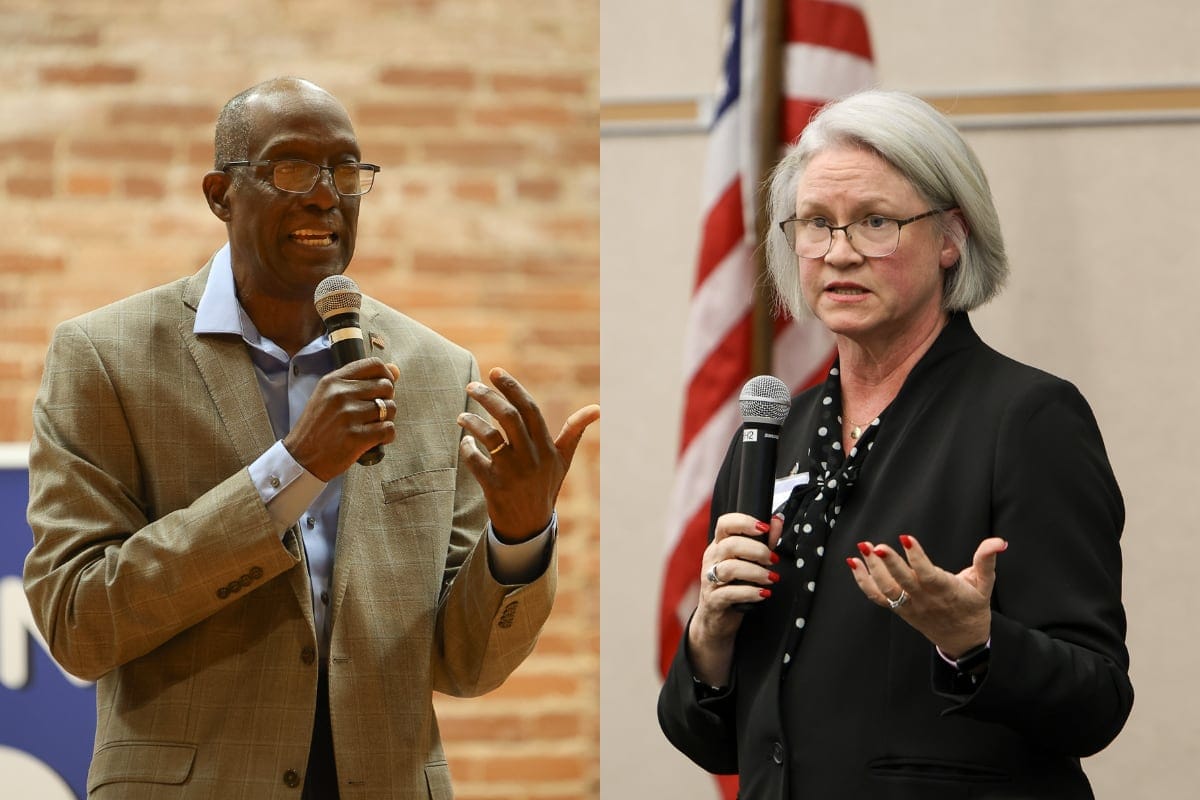
Chuck Hall, 59, Perry
Republican β Incumbent
Hall is a fourth-generation Oklahoman raised and educated in Perry public schools. He has represented Senate District 20 since 2018 and is seeking his third and final term under state term limits. He currently chairs the Senate Appropriations Committee and serves as chairman of the board of Exchange Bank & Trust Company, a community bank with approximately 70 employees and locations in Perry and Stillwater. Hall previously served as Perry's mayor from 2007 to 2013 and as the city's treasurer beginning in 1995. He and his wife, Amy, have three daughters and five grandchildren.
Senate page: oksenate.gov/senators/chuck-hall Campaign website: votechuckhall.com Campaign Facebook: facebook.com/voteChuckHall
Chuck Hall β Questionnaire responses
- You have served in the Oklahoma Senate since 2018 and currently chair the Appropriations Committee. What do you consider your most significant legislative accomplishments during your time in office, and what work remains unfinished?
The Oklahoma Constitution places only one single responsibility on the Oklahoma Legislature and that is to develop, negotiate, and pass a balanced budget in each regular session. As chairman, that is a responsibility that I take very seriously. In my time as chair, we have successfully funded the core services of government while building the largest savings account in state history, all on the heels of a corporate income tax cut, two cuts to personal income tax rates, reducing our six tax brackets to just three and I helped direct the largest single tax cut in state history, which eliminated the state tax on groceries. Just a year ago, we made another historic investment of $75 million in recurring dollars to improve county road and bridge funding, and most recently, I have directed my attention to supporting water infrastructure needs in our state and red cedar eradication efforts. There are still plenty of needs that must be addressed. Education, health and mental health, public safety and transportation remain vital to Oklahoma's needs prospectively. I hope to continue my work, along with my colleagues, to deliver in this regard while maintaining true fiscal responsibility in the process.
- As Appropriations Committee chair, you sit at the table where state budget decisions are made. How has holding that position allowed you to better serve Senate District 20 constituents, and what specific funding priorities have you been able to advance for this region that might not have happened otherwise?
It's an honor for me to have been appointed to my leadership position in the Senate. It can take years to develop the confidence and trust by those you serve with to obtain such a role. While I help direct a budget that serves all 4 million Oklahomans, I can't help but have an eye on the needs back home. I pledged to never forget where I came from, and that pledge is sacred to me. In Stillwater alone, I helped direct the largest single state investment for Oklahoma State University in the school's history by making over $300 million available for the construction of a new, state-of-the-art veterinary school. OSU also holds one of the top agronomy programs in the country and this latest budget includes a multi-million dollar investment to refurbish and expand their facilities. The brand-new, 31,000-square-foot terminal at Stillwater Regional Airport, which is scheduled to open in August, had several funding partners, including an appropriation through the Oklahoma Department of Aerospace and Aeronautics. I've also continued to advocate for investments at the OSU Medical Authority to advance research, technology and grow our workforce in the medical field. All around Senate District 20 we have made investments in water grants and low interest water loan programs. During this latest session, I increased the cap on the state's P3 Pooled Finance program which helps local communities and expanding businesses collaborate on essential infrastructure development. This program funds critical infrastructure projects β such as roads, water systems, rail access, and bridges β that are often too expensive for rural towns or smaller municipalities to tackle alone. Additionally, as the Senate chairman of the ARPA committee, I was in a position to direct millions of American Rescue Plan Act dollars to our communities, which included funding for two expansion projects of YMCA programs in Perry and Stillwater.
- The Stillwegian has reported that Oklahoma State University's Lake Carl Blackwell dam β an 89-year-old structure rated in poor condition β needs $22 million in rehabilitation work that OSU has no funding to complete. OSU has indicated it plans to seek state legislative support. As Appropriations chair, do you believe the state has a responsibility to help fund this project, and if so, what path would you pursue to get it done?
As you can imagine, I work closely with leadership at Oklahoma State to regularly evaluate all of their budget requests. Most recently, they have requested appropriators consider funding a new Life Science building on campus. I have not heard directly from the university, as of yet, in regards to the dam at Lake Carl Blackwell needing rehabilitation, but it should not be a surprise to anyone due to its age. I expect to receive a presentation soon, along with recommendations, from OSU prior to our next legislative session. Historically, the Legislature has been generally supportive of funding critical needs at our state universities. There are likely several funding options to address the situation, but potential funding will be preceded by a formal request from the university, documentation which defines the problem, proposed solutions, engineering reports and a complete public vetting by the appropriations subcommittee and the full appropriations committee.
- Your opponent has criticized two specific votes β one on a social worker licensing bill he says would have exposed Christian counselors to professional discipline, and one on a health care conscience protection bill he says you killed in committee. How do you respond?
It's election season and claims are being made by many candidates. It's the process that every candidate either seeking an office for the first time or an incumbent looking to serve another term experiences. I've seen the two votes identified by my opponent. Of the thousands of votes I've taken in the Oklahoma Legislature over the past eight years, I'm not surprised that an opponent would find a couple that he takes issue with or simply did not understand the rationale behind the vote. Respectfully, I study every bill closely. I look at the pros and cons of each policy, and I cast my vote based on what I believe best represents the needs and wants of my district and what is best for Oklahoma prospectively. The first bill that you referenced was a clean-up bill to provide definitions of "unethical behavior" for counselors and licensed therapists that did not currently exist. It seemed only reasonable that counselors and/or therapists comport to a widely held set of ethical standards. The second bill that you referenced failed to advance out of committee on a 6-6 vote. There are always a couple of different reasons for not supporting a piece of legislation: you either reject the policy altogether or you would like to see changes to the policy before it becomes law. For me, it was the latter. The way the bill was proposed β while good policy β did not go far enough, in my opinion. It would have created a bifurcated and confusing system of rules where one doctor would be granted protection for decisions made based on their conscience, while doctors in other facilities or practices would not be granted the same protections. I want all doctors to have the same legal protections for decisions based on conscience. My vote was a request for a re-write of the policy to be all inclusive.
- Oklahoma lawmakers and voters are debating proposals to limit property taxes. What is your position on property tax reform, and how would changes affect funding across Senate District 20?
Let's start with the second half of the question first. We know that our property taxes fund our local schools, county governments and public safety. A complete elimination of property taxes without a well-thought-out plan to replace the funding would cripple our communities. No one likes to pay taxes, and I believe advocates are correct that with property taxes comes the feeling that you never really completely own your property. However, schools, county governments and public safety are an absolute necessity. In the absence of property taxes, you can bet we would see a dramatic increase in some other form of taxes, such as sales tax, use tax, consumption tax or higher taxes on our commercial and farm land. I think the Legislature took some very reasonable steps to address the concerns of many of my constituents by passing Senate Joint Resolution 39, which is a proposed amendment to the Oklahoma Constitution that would lower the caps on annual increases in the fair cash value of property and create a tiered system to better protect seniors from rising property taxes. The proposal will be submitted to voters during the general election on Nov. 3, 2026. State Question 847, if passed, would give Oklahomans the lowest fixed rate cap on personal property in the nation.
Responses have been lightly edited for grammar, spelling, and AP style. Substance and positions have not been altered.
Reader endorsements
Kari Moore β Stillwater
It is my pleasure to offer my endorsement of Sen. Chuck Hall and his continued service to District 20.
Since working with Sen. Hall in my professional capacity on local economic development efforts, I have been consistently impressed by his commitment to his constituents and his approach to public service. He is not only present at community events and local meetings, but he is also willing to engage in meaningful conversations on difficult issues. I have personally witnessed him field challenging questions regarding state budgets, policy decisions, and differing viewpoints with both passion and grace.
One of the leadership qualities I admire most about Chuck is his humility. In an era when many feel pressured to have immediate answers, he is willing to acknowledge when he does not know something. More importantly, he follows through by doing the necessary research and providing thoughtful, informed responses. That commitment to understanding issues fully before making decisions reflects both integrity and respect for the people he serves.
While I have not always agreed with every vote Sen. Hall has cast, I have never questioned the sincerity behind his decisions. I genuinely believe his votes reflect the interests of the majority of his constituents and are based on the information available to him at the time. He approaches his responsibilities with diligence, thoughtfulness, and a genuine desire to serve the people of District 20.
Good leaders possess humility, accessibility, courage, honesty, and the willingness to listen. Throughout my experience working with him, Chuck Hall has consistently demonstrated those qualities. I am confident he will continue to represent District 20 and the state of Oklahoma with distinction, and I am proud to offer my support and endorsement. β Kari Moore
Reader endorsement letters will appear here as they are received and approved for publication.
Submit an endorsement letter β thestillwegian.news/candidate-endorsement-letters-how-to-submit
Mark LeMarr, 63, Crescent
Republican β Challenger
A 1981 Guthrie graduate, LeMarr earned a bachelor's degree in pastoral ministry and evangelism and has pastored CrossPointe Assembly Church in Crescent since 1989. He previously served as mayor of Cimarron City and spent eight years on the Rural Water District No. 2 board. He also chaired the Logan County Hospital Foundation Board. LeMarr has pledged to accept no lobbyist money. His campaign priorities include a moratorium on wind and solar energy projects on rural land and lower property taxes.
Campaign website: marklemarr.com
Questionnaire responses: Pending β responses due June 10.
Reader endorsements: Reader endorsement letters will appear here as they are received and approved for publication.
Submit an endorsement letter β thestillwegian.news/candidate-endorsement-letters-how-to-submit
Oklahoma House of Representatives, District 32

Oklahoma state representatives serve two-year terms and are members of the lower chamber of the state Legislature. Their responsibilities include introducing and voting on legislation, setting state spending levels, and voting on tax measures. The Legislature meets in regular session from February to May each year.
House District 32 covers all of Lincoln County, as well as Perkins in Payne County and Meridian in Logan County, according to the Oklahoma House of Representatives. Incumbent Jim Shaw faces one challenger in the June 16 Republican primary. Because independent Andy Brown also filed, the primary does not decide the seat β the winner will face Brown in the November 3 general election.
This race was added to the voter guide on June 12. See the editor's note at the top of this page.
Jim Shaw, 41, Chandler
Republican β Incumbent
Shaw has represented House District 32 since November 2024, after defeating then-incumbent Rep. Kevin Wallace β at the time chair of the House Appropriations and Budget Committee β in the August 2024 Republican primary runoff with 54 percent of the vote. Because no other candidates filed, the runoff decided the seat. An Oklahoma City native and Putnam City High School graduate, Shaw earned a bachelor's degree in finance and accounting from Oklahoma State University in 2006 and is an entrepreneur in the oil and gas industry. He and his wife have two daughters and live in Chandler. At the Capitol, Shaw serves as vice chair of the State Powers Committee and sits on the Appropriations and Budget Natural Resources Subcommittee, the Government Modernization and Technology Committee, and the Government Oversight Committee. His House biography lists opposing the expansion of industrial wind and solar energy projects and preventing foreign ownership of Oklahoma land as his primary policy focus.
House page: okhouse.gov/representatives/jim-shaw Campaign website: https://www.shawforok.com Campaign Facebook: https://www.facebook.com/ShawForOK Campaign Twitter: https://x.com/ShawForOK
Questionnaire responses: None β this race was mistakenly omitted when the voter guide was first published, and the omission was discovered after the June 10 questionnaire deadline had passed. We apologize to readers and to the candidates. Both Republican candidates will receive The Stillwegian's full questionnaire ahead of the November 3 general election. See the editor's note at the top of this page.
Reader endorsements: Reader endorsement letters will appear here as they are received and approved for publication.
Submit an endorsement letter β thestillwegian.news/candidate-endorsement-letters-how-to-submit
Jack Vaughan, 54, Chandler
Republican β Challenger
Vaughan is a retired U.S. Army lieutenant colonel, rancher, and lifelong Oklahoman, according to his campaign website. His stated priorities include defending property rights, partnering with local schools to address resource needs, and addressing what his campaign describes as rising property taxes, insurance rates, and inflation.
Campaign website: vaughanforoklahoma.com Campaign Facebook: https://www.facebook.com/JackVaughanForHouse
Questionnaire responses: None β this race was mistakenly omitted when the voter guide was first published, and the omission was discovered after the June 10 questionnaire deadline had passed. We apologize to readers and to the candidates. Both Republican candidates will receive The Stillwegian's full questionnaire ahead of the November 3 general election. See the editor's note at the top of this page.
Reader endorsements: Reader endorsement letters will appear here as they are received and approved for publication.
Submit an endorsement letter β thestillwegian.news/candidate-endorsement-letters-how-to-submit
Andy Brown, 57, Prague
Independent β November general election candidate
Brown will not appear on the June 16 primary ballot. He will face the Republican primary winner in the November 3 general election.
Brown describes himself on his campaign website as a recently retired lifelong farmer and a "common sense moderate" who believes most solutions are found in the middle rather than at the extremes of either party. He has lived in Lincoln County with his wife, Deann, and their two sons for more than 17 years, according to the site, which lists energy, democracy, and education as his issue priorities.
Campaign website: https://brownforokstatehouse.com/
Questionnaire responses: Questionnaires will be sent to general election candidates in October.
Reader endorsements: Reader endorsement letters will appear here as they are received and approved for publication.
Submit an endorsement letter β thestillwegian.news/candidate-endorsement-letters-how-to-submit
Oklahoma House of Representatives, District 33

Oklahoma state representatives serve two-year terms and are members of the lower chamber of the state Legislature. Their responsibilities include introducing and voting on legislation, setting state spending levels, and voting on tax measures. The Legislature meets in regular session from February to May each year.
House District 33 covers portions of Logan and Payne counties. Two Republicans will face off in the June 16 primary. The winner will face Democrat Dr. Max E. Burchett Jr. in November. Burchett ran unopposed in the Democratic primary.
Race Coverage
THE STILLWEGIANChris Peters
Molly Jenkins, 61, Coyle
Republican β Incumbent
Jenkins won the District 33 seat in the June 2024 Republican primary, defeating then-incumbent John Talley with 60 percent of the vote. She holds a bachelor's degree from Oklahoma State University and a master's degree from the University of Central Oklahoma. Jenkins taught as a middle school educator and adjunct professor for more than a decade before owning and operating a real estate brokerage. At the Capitol, she serves on the Common Education Committee and the Elections and Ethics Committee.
House page: okhouse.gov/representatives/molly-jenkins Campaign website: jenkinsforhouse.com Campaign Facebook: facebook.com/profile.php?id=61572900361799
Molly Jenkins β Questionnaire responses
- You won election to House District 33 in 2024 and serve on the Common Education and Elections and Ethics committees. What do you consider your most significant accomplishments in your first term, and what work remains unfinished?
My most significant accomplishment is that I kept the two promises I made at the door: to vote the conservative values of House District 33 and to refuse lobbyist money and gifts. I earned a 100% Oklahoma Conservative Index score, and was one of three state representatives who refused lobbyist gifts and contributions.
Substantively, I helped revive efforts to repeal outdated laws, advanced repealer legislation that was signed by the governor, was one of the few legislators to vote against the newest of the costly insurance mandates that drive up premiums, and opposed the bill that allows utility companies to pass speculative costs on to ratepayers. I also filed legislation to give voters more control over legislative pay raises and rural land-use decisions.
Perhaps the most impactful accomplishment was finding, exposing and stopping a plan, buried in administrative rules, that would have forced real estate property appraisers to undergo DEI training related to race-based property valuations. This could have potentially resulted in property values being influenced by the race of the owners β an absurd example of DEI carried out to its fullest effect.
The unfinished work: protect property owners from private eminent domain abuse, pass meaningful property-tax relief with an eye toward the complete elimination of the tax on homestead properties, keep cleaning up bad laws, and force more transparency at the Capitol.
Stillwegian fact-check: Jenkins' 100% score on the 2025 Oklahoma Conservative Index is confirmed; the index listed her among seven House members with a perfect score. On lobbyist gifts, Jenkins provided the Oklahoma Ethics Commission's 2025 Lobbyist Contribution Report, which lists totals for meals, gifts and other items provided to legislators by registered lobbyists. Jenkins does not appear among the 104 House members listed. The only other House members absent from the report are Rep. Rick West, R-Heavener, and Rep. Tom Gann, R-Inola. Both West's and Gann's official House biographies state they do not accept lobbyist or political action committee money.
- What are the most significant challenges the district and the Legislature will face over the next two years, and how do you plan to address them?
The biggest challenges are affordability and trust. Property owners are being hit by property taxes, insurance costs, utility bills and inflation, while too much of the Legislature still operates around lobbyists, agencies and insiders. It is completely out of touch.
I will keep pushing for full homestead property-tax relief, oppose utility schemes that shift speculative costs onto ratepayers, vote against mandates that raise insurance premiums, and use audits and waste reduction to fund reforms responsibly. I will also keep refusing lobbyist money, reading the bills, explaining my votes and holding public meetings so voters can see exactly who I work for. I want to set an example that can be followed in other districts, so other voters will insist that their representative stop taking lobbyist money and stop playing the out-of-touch insiders' game.
- You have made rejecting lobbyist money a central feature of your campaign. Stillwater Mayor Will Joyce recently challenged that claim publicly, noting that Make Liberty Win β a political action committee you thanked publicly for its endorsement β spent tens of thousands of dollars on mailers, text messages, and door knockers on your behalf, with its contributions coming almost entirely from out-of-state donors. How do you respond, and how do you define the line between lobbyist money and outside PAC spending on your behalf?
My pledge is about my campaign, not other groups that are beyond my control. I do not accept lobbyist contributions, lobbyist gifts or contributions from political action committees, or PACs, that employ lobbyists. This means I am rejecting tens of thousands of dollars in lobbyist-directed PAC contributions, and hundreds, if not thousands, more that are routinely offered in personal gifts to incumbent officeholders.
And while I can reject this money, and will continue to do so, I do not control the spending of what are known as "unlimited" PACs. Under the law, candidates for office are prohibited from coordinating with these groups or being involved in their activities.
As of the time of this response, I am aware that two unlimited PACs have spent thousands of dollars attempting to defeat my re-election: one identified group, a wind-energy unlimited PAC from the Washington, D.C., area, and one dark, unknown entity mailing from a Denver, Colorado, postal permit.
I am also aware that a third unlimited PAC, a student group known as Young Americans for Liberty, was tied to door-to-door campaigners, who on at least one occasion, canvassed the homes of voters and encouraged them to re-elect me. But I do not know whether these students were compensated or volunteers. I could not be privy to those details because coordination is not allowed.
Asked specifically about Make Liberty Win β the PAC named in this question, which is the political action committee arm of Young Americans for Liberty β Jenkins said: "I appreciate their endorsement, as I do other grassroots-oriented groups who have endorsed, but I am not soliciting for any monetary support on my behalf."
- Oklahoma lawmakers and voters are debating proposals to limit property taxes. What is your position on property tax reform, and how would changes affect funding across House District 33?
I support serious property-tax reform, specifically relief for homesteaded and agricultural property. People should not be taxed out of homes, farms or land they already own. My goal is to move toward a full homestead exemption while keeping local governments whole through ad valorem reimbursement.
This reimbursement would be funded by ending pork earmarks and acting on state audit recommendations to eliminate waste and inefficiency in government. In 2025, a single bill earmarked $250 million. Had this money instead gone through ad valorem reimbursement, a considerable amount of property-tax reduction could have already occurred.
Stillwegian fact-check: The $250 million figure matches HB2773, a 2025 bill that appropriated $250 million from the Legacy Capital Financing Fund for construction and expansion of veterinary teaching hospitals at Oklahoma State University. The bill's authors included Sen. Chuck Hall, R-Perry, and Rep. Trish Ranson, D-Stillwater. It passed the House 83-7 on May 20, 2025, and became law without the governor's signature on May 29, 2025. Jenkins confirmed this is the bill she was referring to, and described it as a "pork earmark."
Reader Endorsements
James Carley β Stillwater
Molly Jenkins knocked on our door twice before she was elected the first time and has exceeded our high expectations. She is 100% genuine, conservative, honest and pro-life. She is one of only two Representatives who have voted on 100% of bills before the House. She has accepted NO lobbying money. And she will not.
She again knocked on our door recently and also communicates clearly through her newsletter and responds to voter's questions and wishes. There are many reasons to vote for her and continue her service on our behalf. She truly represents what is good for our District.
Sincerely, James William Carley
Christina Witt β Stillwater
Molly Jenkins, where do I begin! The first time Molly knocked on our door, the questions started. She answered every single one of them. The questions started about where our country was headed. After we talked about all that, we got into more things. Things like gun laws and where she stands. We agreed on a lot of it, like criminals will always get a gun and the government does not get it. They want to take from the citizens who have them legally and have a permit. That was the main part from our first visit.
More recently, she has supported Parents for Payne County's efforts around a grand jury petition calling for review of the local justice system. She also encouraged me to take the time and meet with our new district attorney. Molly has done all she said she would do and then some. Molly Jenkins checks all my boxes, and I hope she does yours.
Responses have been lightly edited for grammar, spelling, and AP style. Substance and positions have not been altered.
Sherrie Bean β Cushing
I met Molly the night before Election Day two years ago. We donβt see eye to eye on every issue, but I have the utmost respect for her. Over time, Iβve spoken with her at length about challenges facing many of her constituentsβissues that never made it into the 1,500+ pieces of legislation considered in the last session. These are the concerns of people who may never attend a candidate forum or a civic club meeting, yet Molly made the time to listen. More importantly, she didnβt just listenβshe heard, and she acted.
Molly has stepped into meetings she had no obligation to attend. She has gone above and beyond to support families in our district. A voting record is only one part of a representativeβs story. What she does behind the scenes matters just as much. She answers calls and emails. She helps people find solutions. She shows up. She represents you.
Rebecca Bostian Parrack β Tulsa
As a Payne County landowner, I appreciate Representative Molly Jenkins' stand to put private landowner rights above those of corporate interest. She is an advocate of our property rights and represents us, not merchant companies.
Representative Jenkins has a direct approach to meeting with constituents, both in the community and at the state capitol. She attended Payne County Save Our Sunsets community meetings and stood with us to stop the HVDC transmission lines threatening the use of eminent domain to take our land. She works for us and with us, the citizens, and not for special interest groups. β Rebecca Bostian Parrack
(The author is the media contact for Payne County Save Our Sunsets.)
Background: Payne County Save Our Sunsets is a grassroots property-rights group that formed in late 2024, initially organizing against a proposed high-voltage transmission corridor under the U.S. Department of Energy's National Interest Electric Transmission Corridor (NIETC) program. The group circulated a model county resolution opposing the NIETC plan, though Payne County commissioners never took up the proposal; commissioners later said the assistant district attorney had advised against it over legal concerns. The group has since broadened its focus to other transmission and renewable-energy projects proposing to cross private land in the county, and supported Resolution 2026-04, approved by Payne County commissioners on Jan. 30, 2026, which urges state lawmakers to require decommissioning bonds for wind, solar, data center and transmission infrastructure projects.
Reader endorsement letters will appear here as they are received and approved for publication.
Submit an endorsement letter β thestillwegian.news/candidate-endorsement-letters-how-to-submit
B.J. Roberson, 46, Cushing
Republican β Challenger
Roberson is a real estate investor and current mayor of Cushing, where he has served on the city commission for nearly a decade. His wife, Maria, is a military veteran and nurse anesthetist. Their son currently serves as a Navy corpsman. Roberson's campaign priorities include rural infrastructure, rural health care access, and what he describes as accountability at the Capitol.
Campaign website: bjrobersonok.com Campaign Facebook: facebook.com/BJRobersonOK
B.J. Roberson β Questionnaire responses
- You have served on the Cushing City Commission and as mayor for nearly a decade. Your campaign points to specific accomplishments including a hospital services agreement with Ardent Health Services, infrastructure upgrades, and a walking trail system. Walk readers through the two or three decisions you're most proud of and what they cost and delivered for Cushing residents.
Over the past nine years serving on the Cushing City Commission, I have been involved in many important decisions, but three stand out because of their long-term impact on our community.
First, I am proud of the work we did to secure a new long-term agreement with Ardent Health Services for Hillcrest Hospital Cushing. At a time when many rural hospitals, including our own, faced uncertainty about the future, it was important to provide stability and continuity for healthcare services in our community. We approved a seven-year agreement through 2030 that provided stability and continuity for healthcare services while ensuring Cushing would continue to have a full-service acute care hospital. The agreement also established a more collaborative partnership between the Hospital Authority and Ardent while ensuring the Authority maintained a voice in key strategic decisions affecting healthcare in our community.
Second, I am proud of the efforts to help keep the Cimarron Correctional Facility open. The closure of the facility would have had a devastating impact on local families, businesses, and our economy. Through an intergovernmental agreement involving the U.S. Marshals Service and CoreCivic, we worked with our partners to keep the facility operational and preserve hundreds of jobs. That decision protected one of the area's largest employers and provided economic stability for our region.
Finally, I am proud of the investments we made in infrastructure. We worked closely with ODOT over several years to advance the nearly $19 million reconstruction of Highway 33 through Cushing. The project improved safety, modernized aging infrastructure, enhanced pedestrian connectivity, and upgraded one of the community's most important transportation corridors. We also invested approximately $9 million in the Harmony Road Substation, which strengthened electric reliability, provided capacity for the new elementary school, and created the infrastructure needed to support future residential, commercial, and industrial growth.
While these projects were very different, they shared a common goal: protecting essential services, preserving jobs, and making long-term investments that position our community for future success.
- You describe yourself as a real estate investor and businessman. What does that business involve β what types of properties, what geography, and how long have you been doing it?
My wife and I own Roberson Properties, a real estate investment company based in Cushing. We specialize in purchasing distressed single-family homes, performing extensive renovations, and then either renting or selling them. We currently own and manage rental properties in Cushing, Stillwater, Drumright, and Oklahoma City. We started the company in 2014 and have been operating it for the past 12 years. I am also a licensed Realtor with eXp Realty and have spent the last year and a half helping buyers and sellers navigate real estate transactions throughout Oklahoma.
- What specifically about the direction of House District 33 prompted you to challenge a first-term incumbent, and what would you do differently in Oklahoma City?
I decided to run because I believe the people of District 33 deserve representation that is engaged, accessible, and focused on delivering results. Throughout the district, I heard from people who felt increasingly disconnected from their representation and frustrated by the growing focus on political conflict rather than solving problems.
For the past nine years, I have served on the Cushing City Commission, including four years as chair. That experience taught me that effective leadership is not about creating division or generating headlines. It is about showing up, listening, working with people, and finding practical solutions to improve the communities we serve.
In Oklahoma City, I would bring that same approach. My focus would be on the core responsibilities of state government β education, roads and infrastructure, healthcare, public safety, agriculture, economic development, and responsible stewardship of taxpayer dollars. Most importantly, I will remain accessible, accountable, and engaged with the people of District 33.
- Oklahoma lawmakers and voters are debating proposals to limit property taxes. What is your position on property tax reform, and how would changes affect funding across House District 33?
I support responsible property tax relief. As property values continue to rise, many homeowners, especially seniors and those on fixed incomes, are concerned about being taxed out of their homes.
At the same time, property taxes help fund important local services, including schools, county government, career technology centers, libraries, and public safety. Having served in local government, I understand that every tax policy affects real people and has real consequences for the communities and people we serve.
Any reform should be carefully evaluated to ensure it provides meaningful relief without simply shifting costs elsewhere or creating unintended funding challenges for essential services. I would support solutions that are fiscally responsible, sustainable, and help homeowners while protecting the long-term financial stability of our communities.
- Of all the issues facing your district, which two do you believe matter most to your constituents, and what specifically would you do to address them?
Over the course of this campaign, I have spent countless hours traveling throughout District 33, attending community events, visiting with local leaders, and speaking with thousands of people at their doorsteps. One of the most important things I have learned is that people across District 33 care deeply about many of the same issues, even if they prioritize them differently. The concerns I hear most often are education, roads and infrastructure, healthcare access, cost of living, tax relief, and public safety.
If I had to identify the two issues that come up most frequently, I would say education and roads and infrastructure. However, concerns about affordability, cost of living, and tax relief are not far behind and are often part of the same conversations.
Education is the issue I hear about most often. I believe we need to continue investing in our classrooms, support and retain quality teachers, and maintain a strong focus on the fundamentals of reading, writing, math, and science. We should continue building on our literacy efforts while working closely with teachers, administrators, parents, and students to identify practical ways to improve outcomes and ensure every student has the opportunity to succeed. I also believe school districts should have the flexibility to implement policies that best serve the students and communities they know best.
Roads and infrastructure are essential to economic growth, public safety, and quality of life. District 33 includes both growing communities and rural areas that depend on reliable transportation networks and infrastructure. I will support continued investment in roads, bridges, water systems, and other critical infrastructure while working to ensure taxpayer dollars are spent efficiently and responsibly.
While the question asks for two issues, the reality is that education, infrastructure, healthcare, public safety, and affordability are all important to the people of District 33. The people of this district deserve a representative who takes each of these priorities seriously, stays engaged with the communities and constituents they serve, and remains focused on delivering results.
Responses have been lightly edited for grammar, spelling, and AP style. Substance and positions have not been altered.
Reader Endorsements
Kristie Dilley β Cushing
Iβve known B.J. and his family for over six years. Heβs been my landlord at two locations, and heβs also the landlord for two of my sons. My oldest son runs a business and has worked closely with him over the years as well. That has given my family a real-life view of his character, not just campaign language.
Our experience with B.J. and his family has been consistently honest, fair, steady, respectful, and genuinely caring. That matters β because character doesnβt suddenly appear when someone runs for office. It shows up in how a person treats people long before they need their vote. B.J. is the kind of person who listens, follows through, and handles responsibility with maturity. He understands that leadership isnβt about creating noise or chasing attention. Itβs about showing up, solving problems, and serving people well.
I also appreciate his practical focus on the things that matter to families in District 33: education, roads and infrastructure, healthcare access, public safety, agriculture, economic development, and responsible use of taxpayer dollars. These arenβt abstract issues, they affect our homes, children, communities, and our future. I believe B.J. Roberson has the utmost integrity, sound judgment, and real-world leadership experience District 33 needs. He has earned my trust, and I believe heβll serve this district with the same honesty and steady character Iβve seen firsthand.
Reader endorsement letters will appear here as they are received and approved for publication.
Submit an endorsement letter β thestillwegian.news/candidate-endorsement-letters-how-to-submit
Dr. Max E. Burchett Jr., 49, Guthrie
Democrat β November general election candidate
Burchett will not appear on the June 16 primary ballot. He will face the Republican primary winner in the November 3 general election.
Burchett is a pharmacist and healthcare executive who serves as chief information officer of the Oklahoma City Indian Clinic, which his campaign describes as the largest urban Native American clinic in the United States. He has been in that role since September 2021, and previously worked as a clinical informatics pharmacist at the same organization for more than six years. A Bartlesville native, Burchett moved to Guthrie in 2021 and attended Bartlesville High School, Oklahoma State University, and Southwestern Oklahoma State University. His campaign priorities include expanding health care access, supporting public education, and infrastructure investment including rural broadband expansion.
Campaign website: burchettforok.com Campaign Facebook: facebook.com/profile.php?id=61577466602178
Questionnaire responses: Questionnaires will be sent to general election candidates in October.
Reader endorsements: Reader endorsement letters will appear here as they are received and approved for publication.
Submit an endorsement letter β thestillwegian.news/candidate-endorsement-letters-how-to-submit
Oklahoma House of Representatives, District 34
Oklahoma state representatives serve two-year terms and are members of the lower chamber of the state Legislature. Their responsibilities include introducing and voting on legislation, setting state spending levels, and voting on tax measures. The Legislature meets in regular session from February to May each year.
House District 34 covers the core of Stillwater. There is no June 16 primary in this race. Incumbent Rep. Trish Ranson is unopposed on the Democratic side, and Republican Aaron Means became the automatic GOP nominee after the Oklahoma State Election Board ruled his only primary opponent, Ted Riley, ineligible at a candidacy contest hearing on April 16. Riley had registered to vote in HD 34 on Nov. 5, 2025 β more than a month after the six-month registration deadline required prior to the April 1-3 filing period. Riley did not attend the hearing or respond to the petition. Ranson and Means will face each other in the November 3 general election. Means lost to Ranson by 14.8 percentage points in 2018 and by 5 points in 2020.
Related coverage: Oklahoma State Election Board removes Ted Riley from HD 34 ballot (NonDoc)
Trish Ranson, 56, Stillwater
Democrat β Incumbent
Ranson has represented House District 34 since 2018 and is seeking her fifth term. Before running for office, she taught elementary music for 15 years at Westwood Elementary in Stillwater and served as a conductor with the OSU Youth Choir. She holds a bachelor's degree from Wichita State University and a graduate degree from Oklahoma State University.
At the Capitol, Ranson serves as House Democratic Caucus Chair β a post she has held since 2023 β and sits on the Full Appropriations and Budget, Health and Human Services Oversight, Agriculture, and Postsecondary Education committees. Her most recent legislation, HB 1979, creates an Early Childhood Task Force to study how Oklahoma delivers services to children ages birth through five; it passed both chambers and was sent to the governor's desk in May.
House page: okhouse.gov/representatives/trish-ranson Campaign website: ransonhouse34.com Campaign Facebook: facebook.com/RansonHouse34
Questionnaire responses: Questionnaires will be sent to general election candidates in October.
Reader endorsements: Reader endorsement letters will appear here as they are received and approved for publication.
Submit an endorsement letter β thestillwegian.news/candidate-endorsement-letters-how-to-submit
Aaron Means, 67, Stillwater
Republican β Challenger
Means is a retired dentist who served in the U.S. Air Force and the U.S. Public Health Service before settling in Stillwater. He is originally from Baltimore and attended Morgan State University, according to his personal Facebook profile. He currently describes himself as self-employed as director of Una Casa para OraciΓ³n Cristiana, a Christian prayer ministry. He has run against Ranson twice before, losing by 14.8 points in 2018 and by 5 points in 2020. His 2026 campaign does not have a website. On his Rumble channel, Means describes his candidacy as rooted in conservative values on family and community.
Campaign Facebook ("Dr Means for House"): facebook.com/DrAaronMeans Personal Facebook: facebook.com/aaronrmeanssr Rumble: rumble.com/user/AaronMeansSr
Questionnaire responses: Questionnaires will be sent to general election candidates in October.
Reader endorsements: Reader endorsement letters will appear here as they are received and approved for publication.
Submit an endorsement letter β thestillwegian.news/candidate-endorsement-letters-how-to-submit
Oklahoma House of Representatives, District 35

Oklahoma state representatives serve two-year terms and are members of the lower chamber of the state Legislature. Their responsibilities include introducing and voting on legislation, setting state spending levels, and voting on tax measures. The Legislature meets in regular session from February to May each year.
House District 35 covers portions of Creek, Noble, Osage, Pawnee, and Payne counties. No Democrat or independent filed, making the Republican primary the decisive contest.
Race Coverage
THE STILLWEGIANChris Peters
Dillon Travis, 33, Maramec
Republican β Incumbent
Travis won the District 35 seat in February's special election with 64 percent of the vote over Democrat Luke Kruse, after winning the Republican nomination in January. A sixth-generation Oklahoman from Pawnee County, he owns and operates Southern Plains Ag Co., an agricultural supply company serving producers across four states, and manages his family's cattle and hay operation in Maramec. His wife, Kaylee, is a lecturer in agricultural communications at Oklahoma State University. They have a daughter.
At the Capitol, Travis serves on the Appropriations and Budget Finance Subcommittee, the Agriculture Committee, the Business Committee, and the Government Oversight Committee.
House page: okhouse.gov/representatives/dillon-travis Campaign website: votedillontravis.com Campaign Facebook: facebook.com/votedillontravis
Dillon Travis β Questionnaire responses
- You took office in February after winning the District 35 special election and serve on the Agriculture, Business, Government Oversight, and A&B Finance Subcommittee. What have you accomplished in your first months at the Capitol, and what unfinished work are you seeking a full term to complete?
Since taking office in February, I've focused on delivering results for District 35. I'm especially proud to have helped secure more than $1.2 million in water infrastructure funding for Pawnee and Ralston. I also carried legislation to modernize agricultural workers' compensation laws (SB 1944) and designate wheat as the Official State Crop (SB 2159). I supported measures that strengthen education, support volunteer firefighters, and protect parental rights: a retirement benefit for volunteer firefighters who retire on or after November 1, 2026, set at $10 per month for each year of service up to 30 years (SB 1147); a ban on cell phone use in the classroom (HB 1276); the Teacher Retire Rehire bill (HB 2288); and the Parents Protection Act of 2026 (HB 3586).
Because I was sworn in after the filing deadline, I didn't have the opportunity to author new legislation this session. I'm proud of what I was able to accomplish in the short time I've been in office, and I'm excited to see what I can do with a full two-year term. I want to continue fighting for rural infrastructure and education, agriculture, property rights, and policies that help Oklahoma families and small businesses succeed.
Stillwegian fact-check: HB 3586, introduced as the "Parents Protection Act of 2026," passed the House 75-15 with Travis voting yes. As amended, the bill addresses adoption eligibility, child abuse and neglect statutes, and provisions related to biological sex in the Oklahoma Children's Code.
- Fertilizer and input costs have been a significant burden for Oklahoma farmers and ranchers in recent years. As someone who operates a cattle and hay operation and runs an agricultural supply company, what have you heard from producers in District 35 about how rising input costs are affecting their operations, and what do you believe the state Legislature can do to help?
Rising input costs are one of the biggest challenges facing agriculture today. While cattle markets have reached record highs, fertilizer, fuel, equipment, feed, and other production costs have risen just as fast β or faster β making it difficult for many producers to stay profitable.
As a lifelong agriculturalist, I've seen firsthand how these rising costs are affecting farmers and ranchers across District 35. One concern I hear repeatedly is the lack of competition in key agricultural markets. Consolidation and anti-competitive practices have left producers with fewer choices and higher costs. I support stronger enforcement of antitrust laws and ensuring our Attorney General has the tools needed to hold bad actors accountable, including large multinational corporations that take advantage of Oklahoma producers.
I also coauthored right-to-repair legislation because farmers should have the ability to repair their own equipment without unnecessary delays and expenses. Additionally, we should encourage more Oklahoma-based manufacturing, expand local supply chains, and explore opportunities for farmer-owned fertilizer production to reduce dependence on outside suppliers.
State government cannot control global markets, but it can promote competition, support local businesses, and remove barriers that make it harder for Oklahoma farmers and ranchers to succeed.
- You are being challenged again by Kevin Wright, whom you defeated in the December special primary. What do you say to voters who supported him then or are considering it now?
This is my fourth election in seven months. I'm not focused on the political noise β I'm focused on people. Every day, I'm working for the citizens of House District 35, helping constituents, advancing legislation, and meeting with voters to hear their concerns and earn their trust. Elections come and go. Serving the people is what matters, and that's where my focus remains. I hope I've earned the opportunity to continue serving District 35, and I will keep humbly asking for the vote until the polls close on Tuesday.
- Oklahoma lawmakers and voters are debating proposals to limit property taxes. Because property taxes are the primary funding source for public schools in Oklahoma, what is your position on property tax reform, and how would changes affect school funding in District 35?
I believe taxpayers know how to spend their money better than government does, and I support reducing taxes responsibly because Oklahoma families and businesses deserve relief. I am open to property tax reform and believe we should first focus on providing relief to seniors on fixed incomes who are struggling with rising costs. Beyond that, any broader property tax changes must be approached carefully and paired with a responsible plan to protect school funding and ensure rural communities do not lose critical services.
I always consider the long-term effects of every decision. While I support tax relief, I want to make sure we have a sustainable plan that benefits taxpayers without leaving rural Oklahoma behind.
- Of all the issues facing your district, which two do you believe matter most to your constituents, and what specifically would you do to address them?
My focus is protecting and strengthening rural Oklahoma. The two issues I hear about most often are rural infrastructure and education.
On infrastructure, I will continue fighting for investments in roads, bridges, and water systems. Many communities in District 35 are dealing with aging infrastructure that needs attention. I will continue working to bring resources back to our district. Reliable infrastructure is essential for public safety, economic development, and quality of life.
On education, I believe every student deserves the opportunity to succeed regardless of where they live. That means supporting policies that improve classroom learning, empower parents, recruit and retain quality teachers, and expand career and technical education opportunities. We need to ensure students graduate prepared for college, the workforce, or a career in agriculture and the skilled trades.
Strong schools and strong infrastructure are critical to keeping rural Oklahoma communities growing and ensuring the next generation has a reason to stay, work, and raise a family here.
Responses have been lightly edited for clarity, grammar, spelling, and AP style. Substance and positions have not been altered.
Reader endorsements: Reader endorsement letters will appear here as they are received and approved for publication.
Submit an endorsement letter β thestillwegian.news/candidate-endorsement-letters-how-to-submit
Kevin Wright, 58, Jennings
Republican β Challenger
Wright is a lifelong Oklahoman and 28-year businessman who served 12 years as mayor of Jennings. He also taught Sunday school and serves as president of the Promise, Literacy, and Education Foundation, a ministry founded by his late father. Wright was eliminated in the December 2025 special Republican primary and filed again for the June primary. His campaign priorities include eliminating the state income tax, supporting law enforcement, and protecting what he calls rural property rights.
Campaign website: wrightforstaterep.com Campaign Facebook: facebook.com/p/Kevin-Wright-for-State-House-District-35-61581910318443
Kevin Wright β Questionnaire responses
- You have been mayor of Jennings for 12 years, describe yourself as a 28-year businessman, and founded the Promise, Literacy, and Education Foundation. Walk readers through your professional and civic background β what businesses you have run, what your mayoral tenure involved, and what the foundation does.
I am the founder and owner of A-Affordable Design, LLC, The Fan Stop, LLC and A-Affordable Properties, LLC. When I became mayor of Jennings, the city was in financial difficulties β at the time we had around $50,000 in our entire fund balances, and when I retired Dec. 31, 2025, we had built that up to $265,000. I felt like I left Jennings in a very good position to continue moving forward.
The Promise Literacy and Education Foundation exists to expand access to literacy and educational opportunities by empowering individuals through reading, learning, and lifelong educational support, strengthening families and communities for a brighter future.
- Oklahoma's individual income tax is the single largest source of revenue for state government, contributing about one-third of the General Revenue Fund, which funds essential state services including education, corrections, and health care. Your campaign calls for eliminating it. What is your plan β would you replace that revenue through other means, cut services to offset the loss, or some combination of both?
- Oklahoma lawmakers and voters are debating proposals to limit property taxes. Because property taxes are the primary funding source for public schools in Oklahoma, what is your position on property tax reform, and how would changes affect school funding in District 35?
I think it needs to be a triggered, phased income tax and property tax reduction. Rather than eliminating income and property taxes immediately, it should happen gradually as revenue grows. Expand economic growth, deregulate businesses, use growth in gross production taxes, pursue government efficiency through modernizing technology systems, consolidate duplicated state functions, limit growth in administrative spending, and eliminate fraud. I do believe that property taxes on our senior citizens need to be eliminated immediately.
- You ran in the December 2025 special primary and were eliminated. What has changed about your campaign or your message since then, and why do you believe this race has a different outcome?
Our message is the same. I'm running on protecting conservative values β I stand for family and faith, a pro-life commitment, Second Amendment rights, a strong economy, law and order, local control and fiscal responsibility. Together we can protect our conservative values, preserve our freedoms and ensure Oklahoma remains the place where faith and family come first.
In the first election there was very low turnout of registered voters in the district. Since there are more candidates and issues on the ballot for this normal election cycle, we feel like the turnout will be much greater. Our message to our constituents is a positive message about the opportunities in District 35 and to make our towns strong so they not only can survive but thrive. I have the experience, the ability, the willpower, and the fight to make District 35 first.
- Of all the issues facing your district, which two do you believe matter most to your constituents, and what specifically would you do to address them?
1. Lowering the tax burden and growing local jobs. Families are feeling the pressure of inflation, rising costs and government taking too much of what they earn. I support a responsible path toward eliminating state income tax, reducing unnecessary regulation on small businesses, and ensuring taxpayers get a greater value for every dollar spent. As a business owner I understand what it takes to create jobs, meet a payroll, and grow an operation. I will fight to make Oklahoma the best place in the country to start and expand a business.
2. Protect rural communities, agriculture, and infrastructure. District 35 depends on strong roads, reliable infrastructure and policies that support farmers, ranchers and working families. I will work to improve rural roads and bridges, protect private property rights, support law enforcement, and ensure rural communities receive their fair share of state resources. Decisions made in Oklahoma City should strengthen our communities and not burden them with more mandates and bureaucracy.
My commitment is simple: defend conservative values, protect taxpayers, and make sure the voices of District 35 are heard at the Capitol.
Responses have been lightly edited for grammar, spelling, and AP style. Substance and positions have not been altered.
Reader endorsements: Reader endorsement letters will appear here as they are received and approved for publication.
Submit an endorsement letter β thestillwegian.news/candidate-endorsement-letters-how-to-submit
Candidate information compiled from campaign websites, campaign Facebook pages, official legislative profiles, and The Stillwegian's 2026 candidate filing guide. The Stillwegian sent questionnaires to all primary candidates except those in House District 32, which was mistakenly omitted from this guide until June 12 β see the editor's note at the top of this page. Responses are published as received.Endorsement letters represent the views of their authors, not of The Stillwegian or its staff. The Stillwegian does not endorse candidates.
This page covers the 2026 election cycle. Last updated: June 19, 2026